Monthly Archives: September 2015

Garden Decor: Garden-themed mugs

Garden-themed mugs

While not exactly decor FOR the garden, these mugs are ABOUT the garden and would make a fine companion for a cup of tea sitting IN the garden. (SMILE)


White cactus mugSmall sunflower rb mug

Gerbera daisy mugRed daylily mug

Additional garden-themed mugs from Douglas E. Welch and more!


Previously in Garden Decor:

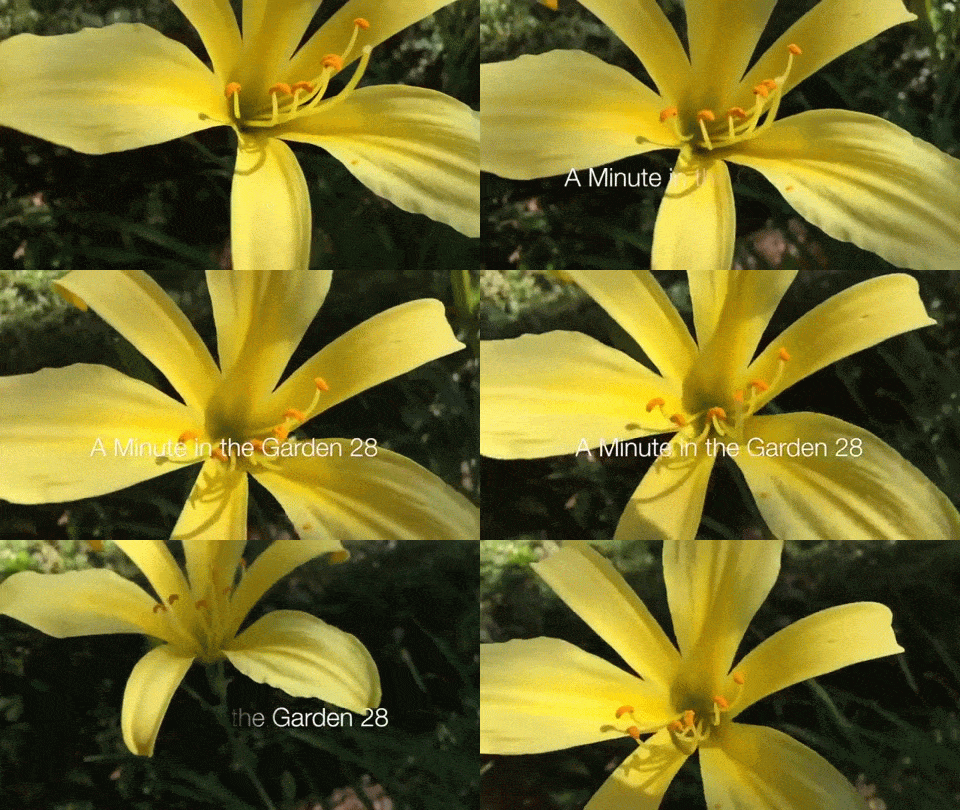
Yellow Daylily – A Minute in the Garden 28 from A Gardener’s Notebook [Video]

A Minute in the Garden: A series from A Gardener’s Notebook

The next in a series of garden minutes

Yellow Daylily - A Minute in the Garden 28 from A Gardener's Notebook


See all the videos in “A minute in the garden” series in this YouTube playlist 

Buy my garden photos on a variety of products directly from RedBubble

Yellow daylily products


Help Support A Gardener’ Notebook!

Interesting Plant: Agave victoriae-reginae

Agave victoriae-reginae

Another lovely agave which caught my eye as i was scrolling through Pinterest today.

Agave victoriae-reginae lv 2.jpg
Agave victoriae-reginae lv 2” by Stan Shebs. Licensed under CC BY-SA 3.0 via Commons.

 Discovered via Pinterest User Via Cheryl Northedge

Agave victoriae-reginae (Queen Victoria agave, royal agave) is a small species of succulent flowering perennial plant, noted for its streaks of white on sculptured geometrical leaves, and popular as an ornamental.

This agave is highly variable in form, but in general the rosettes are small and compact, growing to 0.5m, composed of short, rigid, thick leaves that are green with a pattern of distinctive white markings. The markings are generally along leaf keels or margins, giving a sort of polyhedral appearance. Marginal teeth are usually lacking, while the terminus of the leaf may include 1 to 3 spines, each 1.5–3 cm in length. Cream coloured flowers are borne in erect racemes up to 4m in length.

A. victoriae-reginae is found the Chihuahuan Desert in the Mexican States of CoahuilaDurango and Nuevo León, with about a half-dozen subspecies named. The situation is complicated by hybrids with a number of other agave species.[3][4]

It is cold-hardy as agaves go, and thus finds favor as a small accent in many northerly gardens. However it is recommended in the UK that this plant be kept in heated conditions under glass during winter. It has gained the Royal Horticultural Society‘s Award of Garden Merit.[5] — Wikipedia

  More information on Agave victoriae-reginae:

Books:
 
 * A portion of each sale from Amazon.com directly supports our blogs
** Many of these books may be available from your local library. Check it out! 

Previously in the Interesting Plant series: 

Interesting Plant is a series from A Gardener’s Notebook blog and podcast that highlights the most interesting plants I find in my Internet and real-world travels — Douglas

Fountain grass in a neighbor’s garden via Instagram [Photo]


Interesting Plant: Mountain Cornflower (Centaurea montana)

Mountain Cornflower (Centaurea montana)

Small, blue flower, native to the mountains of Europe that adds interest to any garden.

 Mountain cornflower

Discovered via Pinterest User Longsight Nursery and Landscaping

Centaurea montana (perennial cornflower,[1] mountain cornflowerbachelor’s buttonmontane knapweed or mountain bluet) is a species of Centaurea endemic to Europe. It is widespread and common in the more southerly mountain ranges of Europe, but is rarer in the north. It escapes from gardens readily, and has thereby become established in the British IslesScandinavia andNorth America.

C. montana grows in meadows and open woodland in the upper montane and sub-alpine zones, in basic areas. It grows to 30–70 centimetres (12–28 in) tall, and flowers mainly from May to August.

C. montana may be distinguished from other Centaurea species in the region by its usually entire leaves, and the blue-purple colour of the outermost ray florets. It may be distinguished from the cornflowerC. cyanus, by having a single (rarely up to three) flower heads, and by its being perennial, whereas the cornflower has many flower heads and is annual. The closely related C. triumfettii has more narrowly winged stems, narrower leaves and grows in rockier areas.

Centaurea montana grows in gardens where it grows best in sunny positions. It tolerates some light shade. Since the plant is evergreen it can use the light in winter and early spring when deciduoustrees and shrubs have no leaves. It tolerates deciduous shade better than evergreen shade and prepares to flower while deciduous plant are bare. Therefore it can flower reasonably well in light deciduous shade. If the plant is dug up, a new plant can eventually regenerate from small pieces of root left in the soil. Centaurea montana grows well in soils varying from light sand to heavy clay. The plant also grows well in acid, neutral or very alkaline soils. It tolerates drought but cannot tolerate waterlogged conditions.[2]

This plant is inedible; however, it is a popular medicinal plant in Central Europe. — Wikipedia

  More information on Mountain Cornflower (Centaurea montana):

Books:
 
 * A portion of each sale from Amazon.com directly supports our blogs
** Many of these books may be available from your local library. Check it out! 

Previously in the Interesting Plant series: 

Interesting Plant is a series from A Gardener’s Notebook blog and podcast that highlights the most interesting plants I find in my Internet and real-world travels — Douglas

Get this laptop sleeve and many more products at DouglasEWelch .com/store

Garden Decor: Corrugated Steel Garden Beds (or re-purposed cattle troughs)

Garden Decor: Corrugated Steel Garden Beds (or re-purposed cattle troughs)

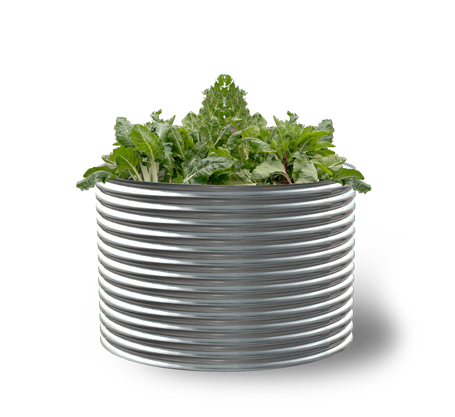
Whether re-using existing cattle troughs or purchasing purpose-built troughs, this is a great way to create a raised bed garden that not only looks great, but also makes gardening accessible to those with mobility issues. I have also seen these trough placed on carts or wheels so that they can be easily moved or used as movable privacy fencing.

 Round steel garden bed

Slimline steel garden bed

Photos: Tankworks.com.au

Cattle trough beds

Photo: TrulySavvy.com via Pinterest

Links:


Previously in Garden Decor:

A Welcome Rainy Day – – A Minute in the Garden 27 from A Gardener’s Notebook [Video]

A Minute in the Garden: A series from A Gardener’s Notebook

The next in a series of garden minutes

A Welcome Rainy Day - - A Minute in the Garden 27 from A Gardener's Notebook [Video]


See all the videos in “A minute in the garden” series in this YouTube playlist 

Buy my garden photos on a variety of products directly from RedBubble

Mexican Bird-of-Paradise - A Minute in the Garden 25 from A Gardener's Notebook products


Help Support A Gardener’ Notebook!

Interesting Plant: Euphorbia ‘Black Bird’

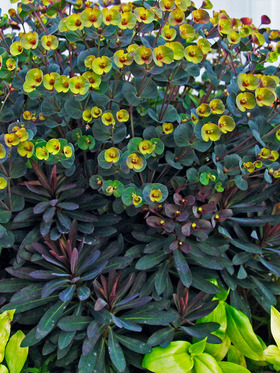
Euphorbia ‘Black Bird’

A lovely, dark, and somewhat brooding euphorbia for your garden.

Euphorbia blackbird

Discovered via Pinterest User Jade Meador

Compact bushy dark purple evergreen foliage even darker if in full sun. Upper bracts of Euphorbia Blackbird are bright yellow-green in spring in glorious contrast to the dark foliage. Makes a good container specimen.Features to Note: Deer Resistant Hot Dry Site Tolerant Evergreen Rabbit Resistant For A Sunny Spot New For 2015 — Bluestone Perennials

With velvety foliage that darkens to near black in full sun, ‘Black Bird’ euphorbia looks good in perennial borders and is especially striking in containers. Flowers open above bright, lime green bracts on red stems that form a compact vase shape. – Pat McKernan, Regional Picks: Midwest, Fine Gardening issue #120

  More information on Euphorbia ‘Black Bird’:

Books:


* A portion of each sale from Amazon.com directly supports our blogs
** Many of these books may be available from your local library. Check it out! 

Previously in the Interesting Plant series: 

Interesting Plant is a series from A Gardener’s Notebook blog and podcast that highlights the most interesting plants I find in my Internet and real-world travels — Douglas

In the Garden: Cooper’s Hawk (Accipiter cooperii) from September 11 & 12, 2015 [Video]

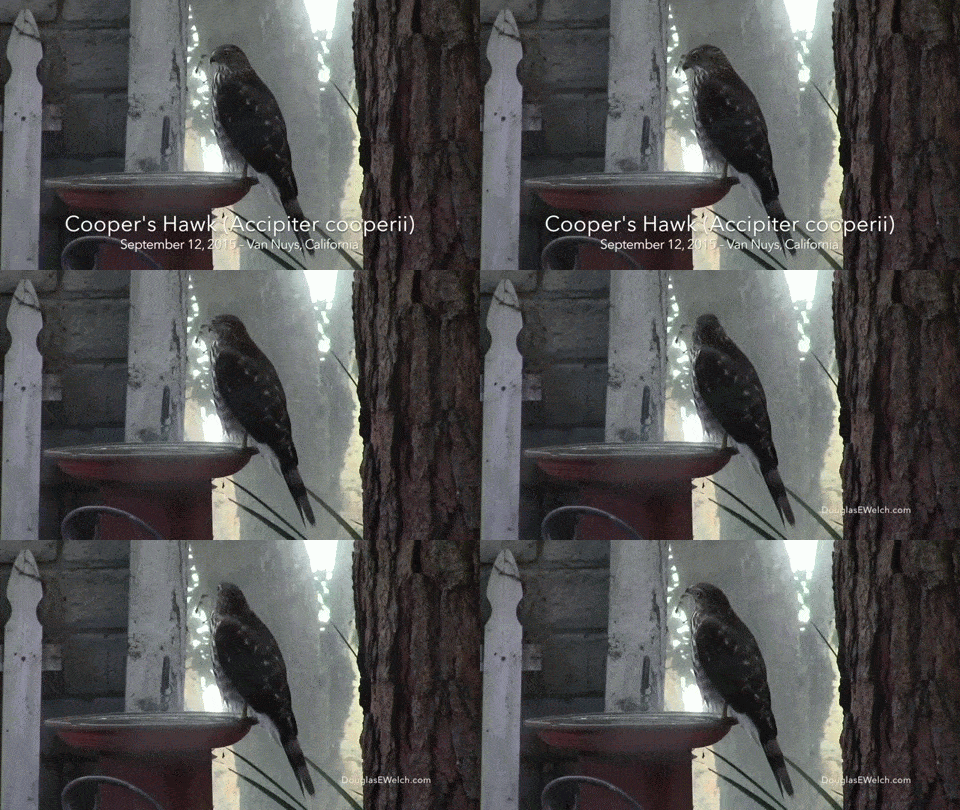
In the Garden: Cooper's Hawk (Accipiter cooperii) from September 11 & 12, 2015 [Video]


A regular visitor to the garden, this Cooper’s Hawk appeared on both September 11 and 12, 2015. Two clips as the hawk sis, drinks and bathes in the birdbath.

From Wikipedia…

Cooper’s hawk (Accipiter cooperii) is a medium-sized hawk native to the North American continent and found from Southern Canada to Northern Mexico. As in many birds of prey, the male is smaller than the female. The birds found east of the Mississippi River tend to be larger on average than the birds found to the west.

Cooper’s hawk was first described by French naturalist Charles Lucien Bonaparte in 1828. It is a member of the goshawk genus Accipiter. This bird was named after the naturalist William Cooper, one of the founders of the New York Lyceum of Natural History (later the New York Academy of Sciences) in New York. Other common names; big blue darter, chicken hawk, hen hawk, Mexican hawk, quail hawk, striker and swift hawk.[2] — Wikipedia


Buy my photos on a variety of products directly from RedBubble

Mexican Bird-of-Paradise - A Minute in the Garden 25 from A Gardener's Notebook products


Help Support A Gardener’ Notebook!