Category Archives: Uncategorized

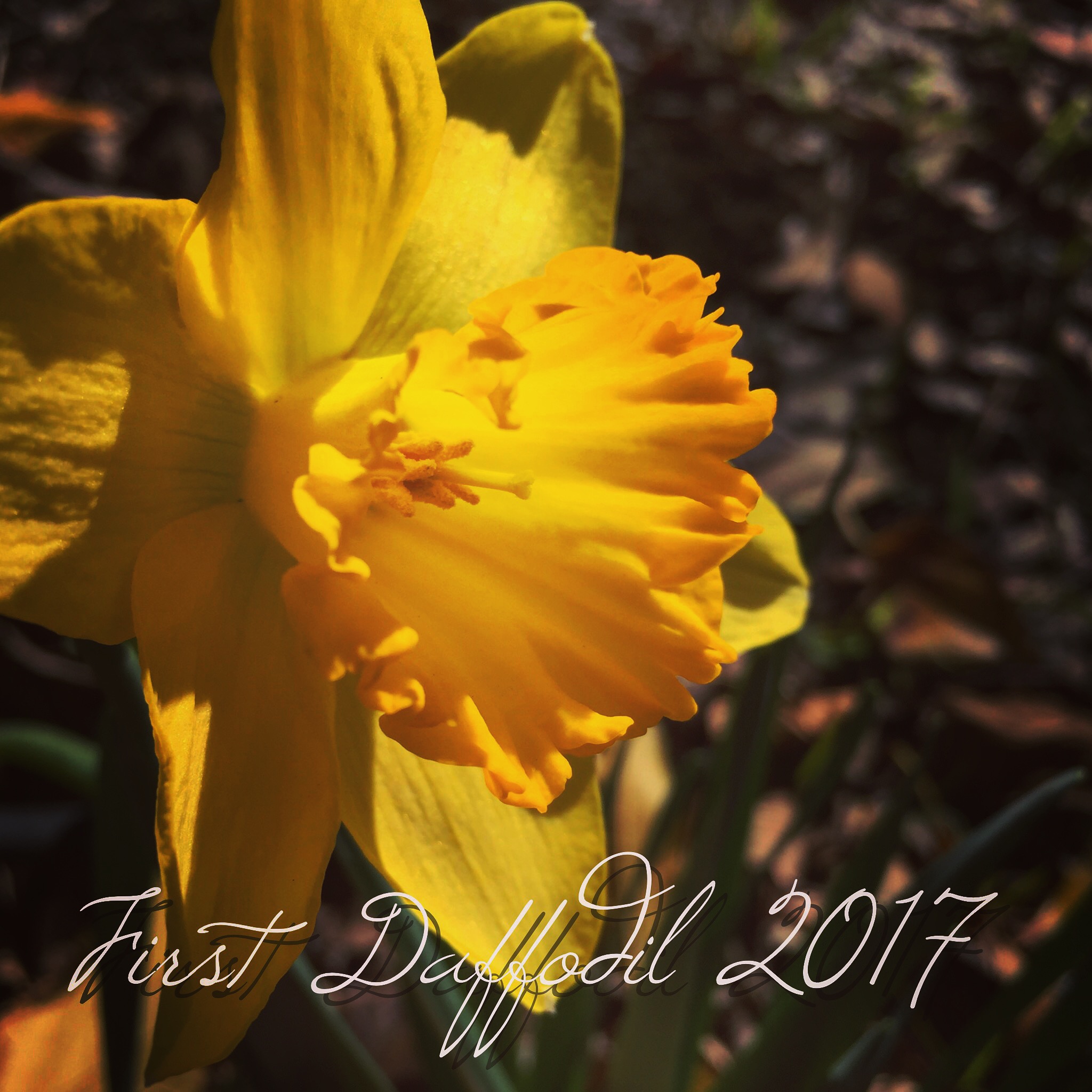
First Daffodil 2017


First Daffodil 2017

I was out doing a few tasks in the garden today and noticed the first Daffodil of the year at the end of the driveway. I try to note the first occurrence each year in my gardening calendar, so I have dates for a few years back.

Instagram

Follow A Gardener’s Notebook on Facebook

Recent Garden Photos from My Instagram – October 5, 2015

Mimosa 2015 09 12 09 38 23 2015 09 16 11 43 32 2015 09 16 11 44 35 1 2015 09 16 11 45 01 1 2015 09 16 11 45 30 1 2015 09 16 23 58 49 2015 09 18 14 35 21 2015 09 18 14 47 31 2015 09 21 10 29 14 2015 09 23 13 34 09 2015 09 23 13 46 48 2015 09 23 13 56 11 2015 09 23 14 13 02 1 2015 09 23 13 42 09 2015 09 23 13 42 09 1 2015 09 23 13 51 07 2015 09 23 13 53 39 2015 09 23 13 53 39 1 2015 09 23 13 57 28 2015 09 23 14 02 30 2015 09 23 14 07 46 2015 09 28 15 46 29 2015 09 29 01 05 57 2015 09 29 08 51 48 2015 09 29 09 01 31 2015 09 30 08 27 57 

Instagram

More photos from Douglas E. Welch

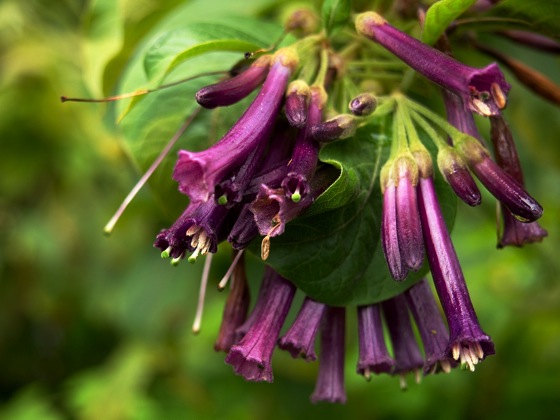
Photo: Purple Iochroma at The Gardens at Lake Merritt, Oakland, California

Purple Lochroma at The Gardens at Merritt Lake Oakland California  

Purchase this photo and others on a variety of products from my portfolio

Lochroma iphoneLochroma toteLochroma cards

Interesting Plant: Jerusalem Sage (Phlomis fruticosa)

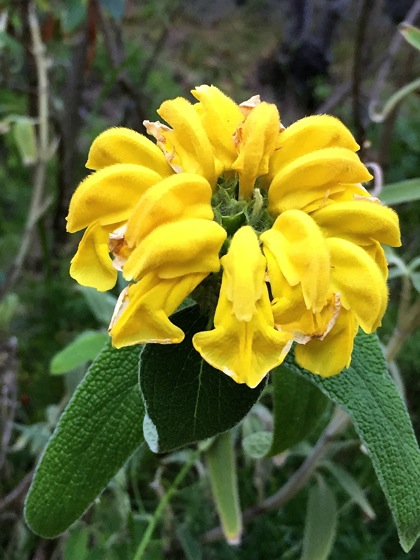
Jerusalem Sage (Phlomis fruticosa) 

Today’s Interesting Plant comes from a friends garden. I was visiting Keri from the Animalbytes blog and came across this wonderful phlomis in her garden. It is quite a striking plant, while also being water wise and a great attractor for insects and hummingbirds.

Jerusalem sage

Photo: Douglas E. Welch, A Gardener’s Notebook

Phlomis fruticosa (Jerusalem sage[1]) is a species of flowering plant of the Lamiaceae familynative to Albania, Cyprus, Greece, Italy, Turkey, and regions of the former Yugoslavia.

It is a small evergreen shrub, up to 1 m (3 ft) tall by 1.5 m (5 ft) wide. The sage-like, aromatic leaves are oval, 2-4 inches long, wrinkled, grey-green with white undersides, and covered with fine hairs. Light yellow, tubular flowers, 3 cm in length, grow in whorls of 20 in short spikes in summer.[2]

The specific epithet fruticosa means “shrubby”.[3]

It is popular as an ornamental plant, and has gained the Royal Horticultural Society‘s Award of Garden Merit.[4]

As a garden escape, it has naturalised in parts of South West England.[5] —  Wikipedia

More information on Jerusalem Sage (Phlomis fruticosa):
* A portion of all sales directly support A Gardener’s Notebook
** Some of the books may be available at your local library. Check it out!
 

Previously in the Interesting Plant series: 

Interesting Plant is a series from A Gardener’s Notebook blog and podcast that highlights the most interesting plants I find in my Internet and real-world travels — Douglas

Interesting Plant: Bigberry Manzanita (Arctostaphylos glauca) via BeWaterWise (@bewaterwiseh2o)

Bigberry Manzanita (Arctostaphylos glauca) via BeWaterWise.com

A few months ago I was invited down the office of the Metropolitan Water District to meet a number of people involved in their BeWaterWise.com project to help reduce water usage in California. As part of their efforts, they focus on providing plant alternatives to water hungry lawns. Over the next several weeks, I will be highlighting some of their garden alternatives as part of this series. For more information on these plants and other water conservation ideas and programs, vist BeWaterWise.comFollow the MWD on Twitter at BeWaterWiseH2O — Douglas

Arctostaphylos glauca 2.jpg
Arctostaphylos glauca 2” by Stan Shebs. Licensed under CC BY-SA 3.0 via Wikimedia Commons.

This native Californian has blue-gray leaves, which offset clusters of pink to white urn-shaped flowers. The flowers bloom in late winter to early spring and are followed by berrylike red or brown fruits that attract birds. Known for its crooked branches of dark purple/brown bark, this variety is a tall shrub that can spread up to 15 feet tall and 20 feet wide. There are many different varieties of manzanita; all are evergreen, take full sun or light shade and require little to moderate water. — BeWaterWise.com

Arctostaphylos glauca is a species of manzanita known by the common name bigberry manzanita. It is native to California and Baja California, where it grows in the chaparral and woodland of coastal and inland hills.

Arctostaphylos glauca is a large shrub varying in size from one to well over six meters in height. Individuals growing in desert regions tend to be shorter than those on the coast. Leaves are light gray-green, somewhat waxy, oval in shape to nearly round, and smooth or toothed along the edges. They are up to five centimeters long and four wide and grow on short petioles about a centimeter long.

The inflorescence holds hanging clusters of narrow urn-shaped white flowers. The edible fruit is a round or egg-shaped drupe 12 to 15 millimeters wide. It is light red in color and has a thick pulp covered in a tough, sticky coat. The fruit contains three to six nutlets fused into a single mass. The shrub reproduces by seed and by layering. Seeds require exposure to fire before they can germinate.

It is a long-lived species, reaching 100 years of age or more, though it does not begin to fruit until it is around 20 years old. The shrub is allelopathic, inhibiting the growth of other plants in its understory when rain leaches toxic arbutin and phenolic acids from its foliage.[1]  — Wikipedia

More information on Douglas Iris (Iris douglasiana)  :
Books from Amazon.com:

* A portion of all sales directly support A Gardener’s Notebook
** Some of the books may be available at your local library. Check it out!
 

Previously in the Interesting Plant series: 

Interesting Plant is a series from A Gardener’s Notebook blog and podcast that highlights the most interesting plants I find in my Internet and real-world travels — Douglas

Video: In the garden…January 23, 2015: Replanting after frost damage and more sweet potatoes harvested

A Gardener's Notebook Artwork

I replace some frost damaged basil, plant out some homemade lavender cuttings and harvest another 3rd of the sweet potato bed with great results. 

Check out my collection of gardening essays, “From A Gardener’s Notebook” now available as a Kindle eBook. (You don’t need a Kindle to read it, though. Read it on your PC, Link: http://j.mp/fagnbook

Watch all past episodes of “In the garden…” in this YouTube Playlist


Please Like this video and/or subscribe to my channel on YouTube.

Your likes and subscriptions directly reflect how many other viewers are suggested this video.

Subscribe to my YouTube Channel


Enjoy this post? Consider a donation via PayPal to support more garden posts, podcasts and videos!


“In the garden…” is a series for A Gardener’s Notebook highlighting what is happening in my garden, my friend’s gardens and California gardens throughout the seasons. 

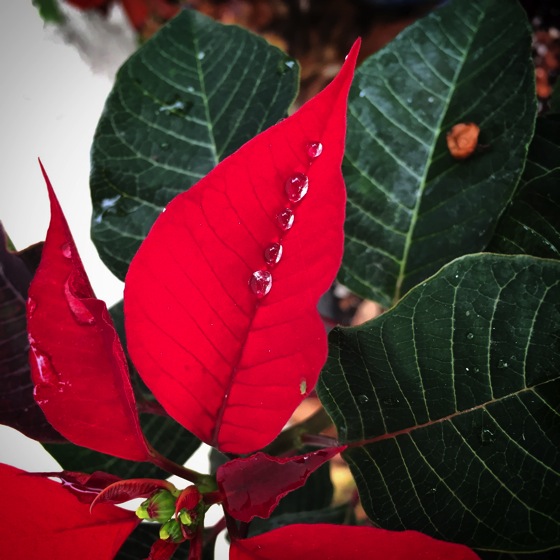
Photo: Raindrops on poinsettia via #instagram

Photo: Raindrops on poinsettia via #instagram

Previously in my Instagram Photos…

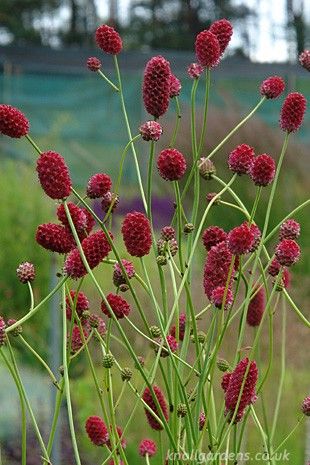
Interesting Plant: Sanguisorba

Sanguisorba

Sanguisorba

Discovered via Pinterest User By C’mai

Sanguisorba is a genus of flowering plants in the family Rosaceae native to the temperate regions of the Northern Hemisphere. The common name is burnet.

The plants are perennial herbs or small shrubs. The stems grow to 50-200 cm tall and have a cluster of basal leaves, with further leaves arranged alternately up the stem. The leaves are pinnate, 5-30 cm long, with 7-25 leaflets, the leaflets with a serrated margin. Young leaves grow from the crown in the center of the plant. The flowers are small, produced in dense clusters 5-20 mm long; each flower has four very small petals, white to red in color. 


Burnets are cultivated as garden plants. Many cultivars have been bred, especially from S. officinalisS. canadensis is grown for its white flowers on stems that well exceed a meter tall. The plants hybridize easily, producing new mixes.[3] S. obtusa is valued for its foliage of pink-edged, gray-green leaves.[4]


S. officinalis is used medicinally in Asia to treat gastrointestinal conditions and bleeding.[5] — Wikipedia.org

 
More information on Sanguisorba:
* A portion of all sales directly support A Gardener’s Notebook
** Some of the books may be available at your local library. Check it out!

 
Enjoy this post? Consider a donation via PayPal to support more garden posts, podcasts and videos!


Previously in the Interesting Plant series: 

Interesting Plant is a series from A Gardener’s Notebook blog and podcast that highlights the most interesting plants I find in my Internet and real-world travels — Douglas

Collect both horticultural and garden design books…from A Gardener’s Notebook

 Collect both horticultural and garden design books…from A Gardener's Notebook

The next item to consider for your gardening library is establishing a balance between books filled with information — latin names, identifying marks, propagation tips –and books that focus on theory and design. You want a few of each as you will need both sides of the equation. Informational books can help you in plant selection, placement and care, but theory books give your mind a place to dream and plan.

From A Gardener’s Notebook by Douglas E. Welch DouglasEWelch.com

Buy or Download a sample of From A Gardener’s Notebook via Amazon.com

Find more gardening books and items in the WelchWrite Bookstore from Amazon.com

* A portion of each sale from Amazon.com directly supports our blogs

Previously from A Gardener’s Notebook:

Garden Alphabet: Poinsettia (Euphorbia pulcherrima)

Poinsettia (Euphorbia pulcherrima)

A little early in the season, perhaps, but this poinsettia photo comes from a collection of photos I took in 2002. I often return to my archives to find good examples of flowers and plants I haven’t highlighted before here in Garden Alphabet. We actually have one poinsettia from a few years ago that has survived and thrived over the years and should be on track for a turn towards the red (the leaves are usually green) just in time for the Christmas holidays.

Garden Alphabet: Poinsettia

Follow DouglasWelch in Instagram

The poinsettia (/pɔɪnˈsɛtiə/ or /pɔɪnˈsɛtə/)[1][2] (Euphorbia pulcherrima) is a culturally and commercially important plant species of the diverse spurge family that is indigenous to Mexico and Central America. It is particularly well known for its red and green foliage and is widely used in Christmas floral displays. It derives its common English name from Joel Roberts Poinsett,[3] the first United States Minister to Mexico,[4] who introduced the plant into the United States in 1825.

Euphorbia pulcherrima is a shrub or small tree, typically reaching a height of 0.6–4 metres (2 ft 0 in–13 ft 1 in). The plant bears dark green dentate leaves that measure 7–16 centimetres (2.8–6.3 in) in length. The colored bracts—which are most often flaming red but can be orange, pale green, cream, pink, white, or marbled—are often mistaken for flower petals because of their groupings and colors, but are actually leaves. The colors of the bracts are created through photoperiodism, meaning that they require darkness (12 hours at a time for at least five days in a row) to change color. At the same time, the plants require abundant light during the day for the brightest color.[5]

The flowers of the poinsettia are unassuming and do not attract pollinators. They are grouped within small yellow structures found in the center of each leaf bunch, and are called cyathia.

The poinsettia is native to Mexico.[6] It is found in the wild in deciduous tropical forest at moderate elevations from southernSinaloa down the entire Pacific coast of Mexico to Chiapas and Guatemala. It is also found in the interior in the hot, seasonally dry forests of GuerreroOaxaca, and Chiapas.[7] Reports of E. pulcherrima growing in the wild in Nicaragua and Costa Rica have yet to be confirmed by botanists.[8]

There are over 100 cultivated varieties of poinsettia.[9][10] — Wikipedia

More information on Poinsettia:

 
Previously in Garden Alphabet: