It’s Time To Learn Some Botanical Latin (And Why), An Interview With Ross Bayton Via A Way To Garden

I’M GRATEFUL that when I began gardening, I fell in with a bunch of plant nerds who spoke not in common names but in botanical Latin, and turned me on to oddball mail-order nurseries whose entire lists were likewise written that way. Necessity was therefore the mother of invention.

I absorbed at least a rudimentary command of the official language of plants, and my only regret is that I didn’t learn even more. Now, thanks to the fun I’ve been having dipping over and again into the new book called “The Gardener’s Botanical: An Encyclopedia of Latin Plant Names,” I’m further sharpening my skills, because botanical Latin opens up a world for gardeners willing to try learning some of it.

What can a gardener learn from studying botanical Latin? Ross Bayton, a former editor of the BBC’s “Gardeners World Magazine” created the “The Gardener’s Botanical,” and when we spoke recently, he answered that question and more. (Photo of Ross, below, from the Heronswood garden website. Ross recently became assistant director at Heronswood, the public garden near Kingston, Washington.)

8 of the Best Botanical Gardens Around the World via AFAR Media

From the Royal Botanic Gardens in England to the Jardim Botânico in Rio de Janeiro, here are some of the top botanical gardens across the globe—including some you can visit from home.
Read 8 of the Best Botanical Gardens Around the World via AFAR Media


* A portion of each sale from Amazon.com directly supports our blogs
** Many of these books may be available from your local library. Check it out!


An interesting link found among my daily reading

A Spider Web Garden Seat via Homegrown Evolution

I spotted this 1920s gem on Archive.org in a promotional pamphlet, Beautifying the home grounds by the Southern Pine Association. This is the same source I used to come up with a new design for our entrance arbor and will blog about that when I put the finishing touches on it.
Read A Spider Web Garden Seat via Homegrown Evolution


An interesting link found among my daily reading

These Talented Artists Will Inspire You to Get a Botanical Tattoo – Sunset via Sunset Magazine

You want a tattoo and are thinking of taking inspiration from the garden? You’re not alone. When it comes to choosing a design, you can’t really go wrong with the classics. The red rose is a tattoo standby for a reason: the flower has long held connotations of love and beauty, yet it’s also armed with thorns. It’s pretty much the only vintage flower tattoo that burly men have historically worn without compromising their masculinity. But it’s not the only botanical tattoo out there.

Read These Talented Artists Will Inspire You to Get a Botanical Tattoo – Sunset via Sunset Magazine


An interesting link found among my daily reading

25 Gardening Tips Every Gardener SHOULD KNOW! via Urban Organic Gardener

1. If it’s getting cold and you have tomatoes still ripening on the vine — save your tomatoes! Pull the plants up and bring them inside to a warm dry place. Hang them up, and the tomatoes will ripen on the vine.

2. Companion planting is an excellent way to improve your garden. Some plants replenish nutrients lost by another one, and some combinations effectively keep pests away.

DIY Two-Bin Composter via Grit

All serious gardeners acknowledge the undeniable benefits of compost, and most maintain their own compost-bin system. If you want to join their ranks, you’ll need a system that can handle a large volume of material and allow easy access to finished compost. Serious gardeners tend to have lots of material from plant clippings and weeds, but they also seek out compost fodder from outside sources. They grab extra coffee grounds from the local coffee shop, and happily accept bags of their neighbors’ leaves.

Having a multiple-bin system allows gardeners to move partially composted material from the first bin into the second before filling up the first bin again. This movement aerates the pile and speeds decomposition, something very important to gardeners who not only have a large amount of material to handle, but also clamor for the finished product to use in their gardens.

Read DIY Two-Bin Composter via Grit


An interesting link found among my daily reading

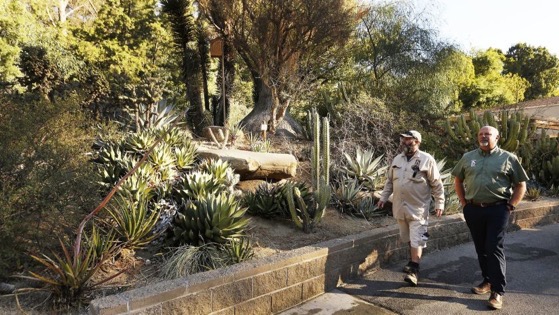
New gardens at the L.A. Zoo show us how we can help birds at home via The Los Angeles Times

New gardens at the L.A. Zoo show us how we can help birds at home via The Los Angeles Times

Los Angeles Zoo bird curator Mike Maxcy believes small changes can have a huge effect — in the garden and in wildlife.

“Habitat loss is the worst, but you can mitigate it,” he said. “During this time of year we have a mass migration of birds from the Pacific Flyway. It’s important to remember that there are small things we can do to help them.”

Prompted by 2018’s designation as the Year of the Bird, the zoo planted six bird-friendly demonstration gardens earlier this year in an effort to create a template for visitors to use in their yard, patio or porch at home.

The small, inconspicuous gardens are planted in underused pockets throughout the zoo. Each is marked with a sign representing California, Baja California, South America, Australasia, North America or Africa as well as plant identification and pictures of birds you might spot in the garden.

100 Most Creative Gardening Design Ideas [2020] via Planted Well

 
If you’re looking for the best gardening design then you’ve come to the right place. We’ve gathered different varieties of garden styles to help you in designing your garden. With the most suitable plants and accessories, you can easily obtain a relaxing atmosphere. Gardening adventure can be fun! You can choose to do it by yourself or hire a landscape architect to do it for you. Water fountains, small trees, pathways, colorful flowers are just some of the elements that are truly a bliss. After having a long day at work, you can easily relax in your green haven. No matter what your personal taste and lifestyle are, there is always a gardening design made just for you.


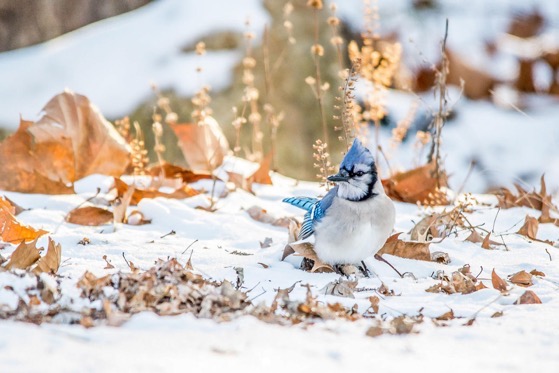
To Help Birds This Winter, Go Easy on Fall Yard Work via Audubon

To Help Birds This Winter, Go Easy on Fall Yard Work via Audubon

There’s a certain satisfaction in autumn chores. When the weather’s right, cleaning gutters, touching up paint, or splitting some firewood can feel less like manual labor and more like a rite of the season.

But if you want to make your backyard a welcoming winter haven for birds, some fall tasks call for a laissez-faire approach. “Messy is definitely good to provide food and shelter for birds during the cold winter months,” says Tod Winston, Audubon’s Plants for Birds program manager.

So let someone else keep up with the neighbors this weekend. Sleep in, linger a little longer with your morning coffee, and follow these tips for a bird-friendly yard you can be proud of.

Read To Help Birds This Winter, Go Easy on Fall Yard Work via Audubon


* A portion of each sale from Amazon.com directly supports our blogs
** Many of these books may be available from your local library. Check it out!


An interesting link found among my daily reading

MaliArts designs city-chic beehives to save solitary bees via Inhabitat

You don’t need to spend hundreds of dollars on these lovely bee houses and waterers, but providing some respite for our native bees is a great idea. You might find some ideas here about houses you can build yourself or order one of these to add to your garden. – Douglas
 
 
We’re big fans of beautifully designed urban beehives on Inhabitat, and Mexico-based design studio MaliArts’ new shelters for solitary bees are just as buzz-worthy. Dubbed ‘Refugio,’ the project currently consists of three distinct and sculptural beehives aimed at attracting different species of solitary bees. Built with natural materials, each shelter offers a resting place and access to food and water for the insects.


* A portion of each sale from Amazon.com directly supports our blogs
** Many of these books may be available from your local library. Check it out!