Category Archives: Science

A Botanical Mystery Solved, After 146 Years via Atlas Obscura [Shared]

Yet another example of how archives can continue to educate even a century after their contents were created. – Douglas

A Botanical Mystery Solved, After 146 Years – Atlas Obscura

A Botanical Mystery Solved, After 146 Years via Atlas Obscura [Shared]

Something about the painting made Tianyi Yu pause. The artwork, depicting tropical plants crowded together in a riot of color, had been painted in 1876 by prolific botanical illustrator Marianne North. The wealthy Victorian woman had traveled the world, usually on her own, documenting in bold oils the plants and landscapes she saw.

During a trip to Borneo, North had filled this canvas with plants from a particular spot in the forests of the island’s northwest corner. The viewer’s eye might be drawn to oblong yellow fruits from one plant, or pink buds from another, or the rounded leaves cascading down one side of the painting, one of them apparently nibbled by an insect. But Yu, a botanical illustrator who was working at London’s Kew Gardens while pursuing a masters degree, was drawn to clusters of berries, some green and unripe but others black or a bold blue. These berries would solve a botanical cold case more than a century in the making, and connect both illustrators forever.

Read A Botanical Mystery Solved, After 146 Years – Atlas Obscura

How to Make a Mason Bee House for Your Garden via Lifehacker [Shared]

How to Make a Mason Bee House for Your Garden

How to Make a Mason Bee House for Your Garden via Lifehacker [Shared]

Gardeners know that having bees around is a big help in the garden. Some gardeners even turn to urban beekeeping to attract some industrious pollinators to the yard (and reap the reward: honey). If you’re not quite ready for full-on beekeeping, you can still get in on the game by attracting solitary bees with a mason bee house, which gives mason bees a place to reproduce. These species are usually indigenous, as they aren’t cultivated for their honey production and can still be industrious pollinators.

Read How to Make a Mason Bee House for Your Garden

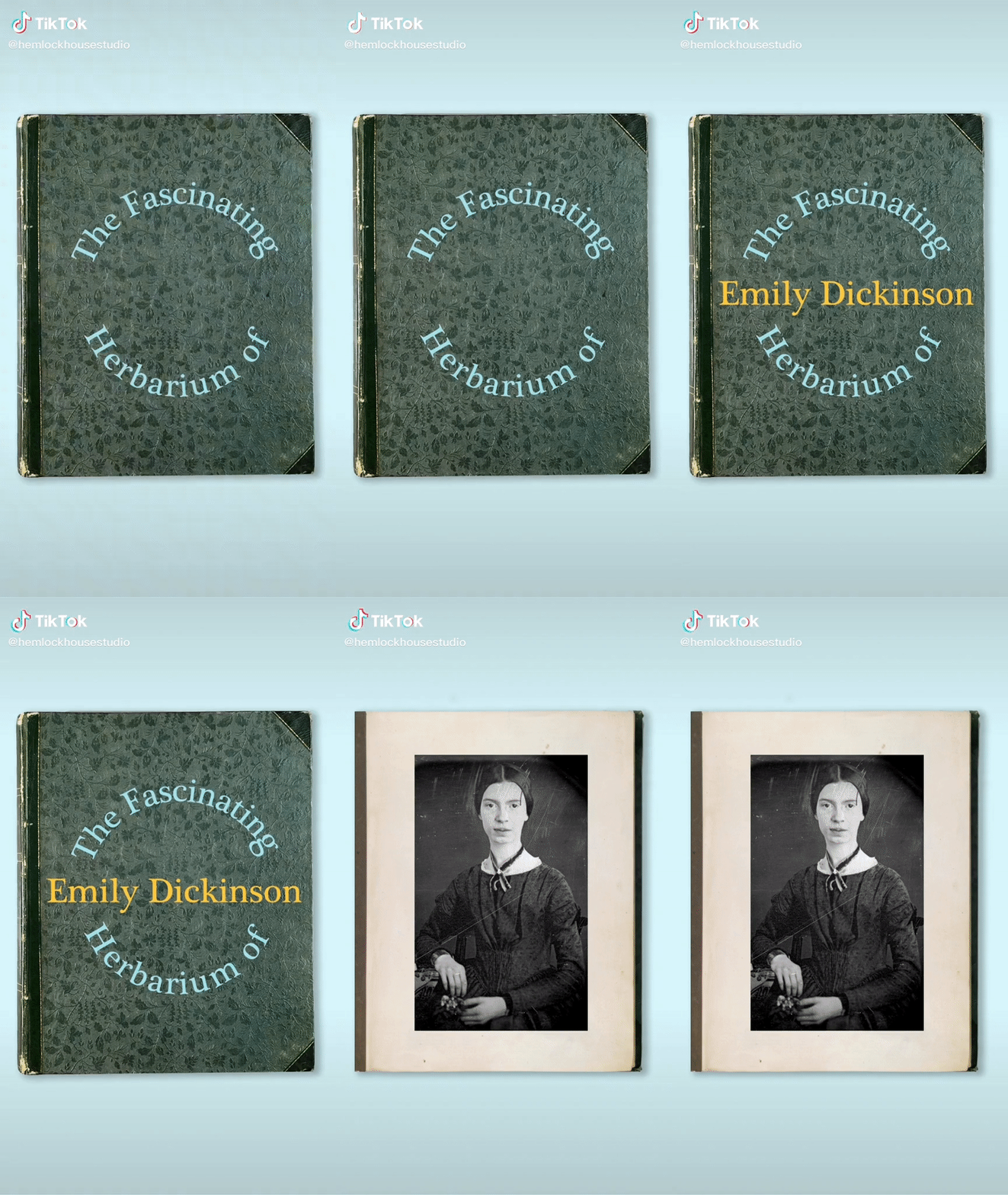
Emily Dickinson’s Herbarium via TikTok [Shared]

@hemlockhousestudio Emily Dickinson’s Herbarium is a collection of over 400 plants pressed and classified by the poet. #socool #botany #pressedflowers #herbarium #garden ♬ original sound – Samantha


Emily Dickinsons Herbarium is a collection of over 400 plan

‘Cyborg soil’ reveals the secret microbial metropolis beneath our feet via The Conversation [Shared]

‘Cyborg soil’ reveals the secret microbial metropolis beneath our feet

'Cyborg soil' reveals the secret microbial metropolis beneath our feet

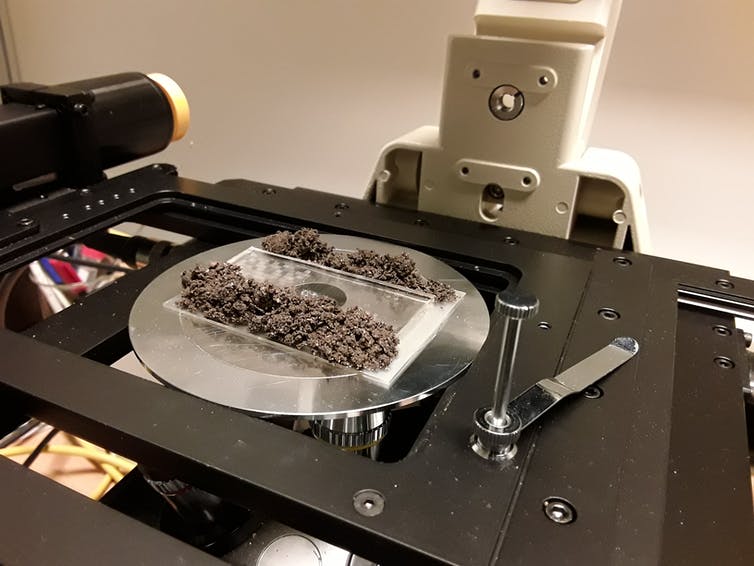
Dig a teaspoon into your nearest clump of soil, and what you’ll emerge with will contain more microorganisms than there are people on Earth. We know this from lab studies that analyse samples of earth scooped from the microbial wild to determine which forms of microscopic life exist in the world beneath our feet.

The problem is, such studies can’t actually tell us how this subterranean kingdom of fungi, flagellates and amoebae operates in the ground. Because they entail the removal of soil from its environment, these studies destroy the delicate structures of mud, water and air in which the soil microbes reside.

This prompted my lab to develop a way to spy on these underground workers, who are indispensable in their role as organic matter recycling agents, without disturbing their micro-habitats.

Our study revealed the dark, dank cities in which soil microbes reside. We found labyrinths of tiny highways, skyscrapers, bridges and rivers which are navigated by microorganisms to find food, or to avoid becoming someone’s next meal. This new window into what’s happening underground could help us better appreciate and preserve Earth’s increasingly damaged soils.

Read ‘Cyborg soil’ reveals the secret microbial metropolis beneath our feet

From bean to pod in 42 days 🌱 via BoxLapse on Tikitok [Video]

@boxlapse

From bean to pod in 42 days 🌱 ##bean ##themaincharacter ##timelapse ##fyp ##plantsoftiktok

♬ Harry Potter – The Intermezzo Orchestra

Boxlapse 01

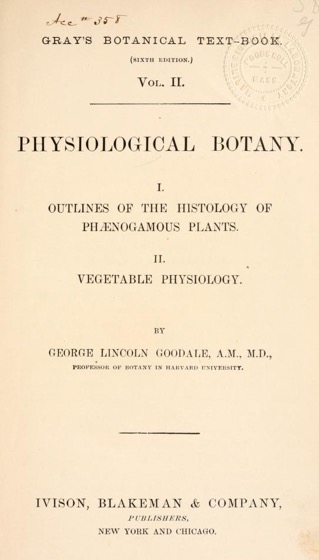
Historical Garden Books – 77 in a series – Gray’s Botanical text-book (1879) by Asa Gray

Historical Garden Books – 77 in a series – Gray’s Botanical text-book (1879) by Asa Gray

Historical Garden Books - 77 in a series - Gray's Botanical text-book (1879) by Asa Gray

Historical Garden Books - 77 in a series - Gray's Botanical text-book (1879) by Asa Gray

Download in Text, PDF, Single Page JPG, TORRENT from Archive.org


The History of Landscape Design in 100 Gardens

Find more books on Bookshop and Help Indie Book Stores!


* A portion of each sale from Amazon.com directly supports our blogs
** Many of these books may be available from your local library. Check it out!

Meet the monkeyflower, a weed that may hold the key to zebra stripes and other biological mysteries via Science | AAAS

Yaowu Yuan’s passion for monkeyflowers began in 2004 with a slideshow. Then a budding plant taxonomist at the University of Washington in Seattle and an avid hiker, he was amazed at the variety of wildflowers he saw on his outings in the Cascade mountains. Like Charles Darwin, he was vexed by what Darwin called an abominable mystery: How did nature generate such a diversity of flower colors and forms? During a campus seminar, Yuan encountered a plant that he thought might yield answers. University of Washington plant molecular biologist H. D. “Toby” Bradshaw and his graduate student showed slides documenting as much floral diversity within a single monkeyflower species as Yuan had seen in the meadows and streambanks of the Cascades—all generated by mutating the genome of this one Mimulus species.

Home School: See the microscopic wonders of herbs via National Geographic

Amateur Dutch scientist Anton van Leeuwenhoek, who lived in the late 1600s, was obsessed with the minute details of daily life
Leeuwenhoek studied any living thing he could find in his Delft home, be it the stings of bees, the mouths of fleas, or even his own sperm. He had also pondered kitchen spices, including black peppercorns. He wanted to determine the source of their spice.
 
After mixing peppercorns in water to soften them, he pulled out his microscope to examine the result. Leeuwenhoek imagined he might spot tiny spikes or arrows on the peppercorn responsible for its zing. Instead, he found tiny spheres with smooth ridges.
Read See the microscopic wonders of herbs via National Geographic


An interesting link found among my daily reading

To Help Birds This Winter, Go Easy on Fall Yard Work via Audubon

To Help Birds This Winter, Go Easy on Fall Yard Work via Audubon

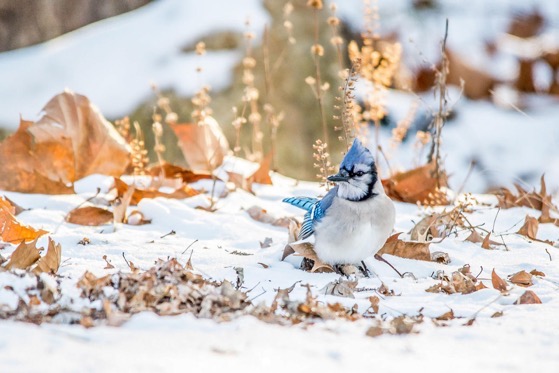
There’s a certain satisfaction in autumn chores. When the weather’s right, cleaning gutters, touching up paint, or splitting some firewood can feel less like manual labor and more like a rite of the season.

But if you want to make your backyard a welcoming winter haven for birds, some fall tasks call for a laissez-faire approach. “Messy is definitely good to provide food and shelter for birds during the cold winter months,” says Tod Winston, Audubon’s Plants for Birds program manager.

So let someone else keep up with the neighbors this weekend. Sleep in, linger a little longer with your morning coffee, and follow these tips for a bird-friendly yard you can be proud of.

Read To Help Birds This Winter, Go Easy on Fall Yard Work via Audubon


* A portion of each sale from Amazon.com directly supports our blogs
** Many of these books may be available from your local library. Check it out!


An interesting link found among my daily reading

Smithsonian Scientists Are Using Ginkgo Leaves to Study Climate Change—and They Need Your Help via Smithsonian

 
The next time you venture into the great outdoors, keep an eye out for Ginkgo biloba trees, which can be easily identified by their distinctive fan-shaped leaves. If you find one—and you likely will, as the native Chinese plant is now ubiquitious in the United States—take a moment to pluck a few leaves, snap some photographs of the scene, and record your observations via the iNaturalist mobile app. Then, package your sample in an envelope, drop it into the mailbox, and give yourself a pat on the back. Congratulations: You’ve just become a citizen scientist, helping researchers at the Smithsonian’s National Museum of Natural History use ginkgo leaves to study the past, present and future of climate change.

Read Smithsonian Scientists Are Using Ginkgo Leaves to Study Climate Change—and They Need Your Help via Smithsonian


An interesting link found among my daily reading