Manzanita Flowers, North Hollywood, California [Photography]

Manzanita flowers.

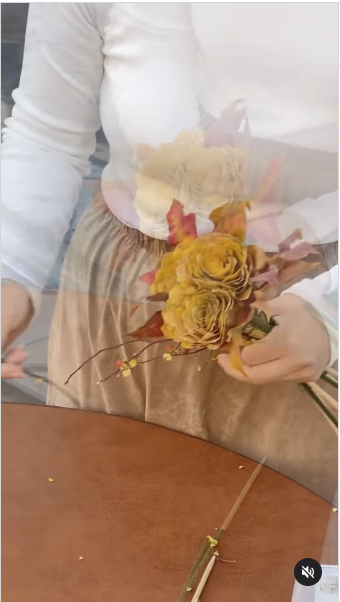
Make a bouquet with ginkgo leaves Via Flower Supplies on Instagram [Shared]

Make a bouquet with ginkgo leaves Via Flower Supplies on Instagram 

Make a bouquet with ginkgo leaves Via Flower Supplies on Instagram [Shared]


View this post on Instagram


A post shared by FloralSupplies.com (@floralsuppliesofficial)

Diarmuid Gavin’s top tips: How to do rewild your garden in six easy steps via MAGE ie [Shared]

Diarmuid Gavin’s top tips: How to rewild your garden in six easy steps | IMAGE.ie

Diarmuid Gavin’s top tips: How to do rewild your garden in six easy steps via MAGE ie [Shared]

With a keen eye for design and a passion for all things gardening, Diarmuid Gavin is the man to go to when it comes to asking for rewilding advice.
A progressive approach to conservation, rewilding has surged in popularity in recent years with more and more people looking to let nature run its course. At its core, the concept is all about letting mother earth take care of herself, enabling natural processes to shape land and sea, repair damaged ecosystems and restore degraded landscapes.

Read Diarmuid Gavin’s top tips: How to rewild your garden in six easy steps | IMAGE.ie

Garments of Grass and Flowers by Jeanne Simmons Fuse Bodies to the Landscape — Colossal [Shared]

Garments of Grass and Flowers by Jeanne Simmons Fuse Bodies to the Landscape — Colossal

Garments of Grass and Flowers by Jeanne Simmons Fuse Bodies to the Landscape — Colossal

“When we spend a lot of time in a place, and if we are paying attention, a kind of intimacy develops,” says Jeanne Simmons. The artist, who’s based in the Pacific Northwest, grounds her practice in this sense of familiarity and ease with her surroundings. “We come to know the plants that grow there and the critters that roam there… We may even begin to feel that we ourselves have become part of that place, and it is this feeling that sustains and inspires me.”

After gathering natural materials like branches, wild vegetables, and bark, Simmons constructs garments that intertwine her own body and those of others with the landscape and obscure the distinction between the two. In one work, a full skirt made of Queen Anne’s Lace trails from the artist’s waist and blends with a meadow, while another piece braids dried vegetation into a model’s blond hair, developing a feet-long braid that appears to emerge from the ground. “Grass Cocoon” is similar, twisting locks into the material and swaddling a figure’s body in a sheath of green. “This is how I celebrate and deepen my connection with the natural world. I suppose I have discovered that the best way for me to become part of the landscape… is to wear it,” she shares. “It is also, at least in part, a lamentation for the catastrophic loss of that connection that we are witnessing in real-time.”

Read Garments of Grass and Flowers by Jeanne Simmons Fuse Bodies to the Landscape — Colossal

How to Make a Birdbath for Free via The Art of Doing Stuff [Shared]

How to Make a Birdbath for Free via The Art of Doing Stuff

How to Make a Birdbath for Free via The Art of Doing Stuff [Shared]

I would like for you to imagine me truckin’ along, on my way to the store. Just walking on the sidewalk, minding my own business. (To make the picture in your mind’s eye incredibly realistic you might want to picture me as Christy Turlington. ‘Cause we’re often mistaken for one another on account of me looking exactly like a supermodel from the 1980’s.)

So you have that image in your head? O.K., then imagine my gazelle like legs getting tangled in each other as I do something worse than a faceplant. I do an *almost* faceplant; which is where you don’t completely fall but instead catch yourself in mid-air, give out a little toot and correct yourself before you actually hit the ground. Instead of road rash you end up with a really red face and that gross tingling feeling in your toes that comes with a startling scare. I hate that toe tingling feeling.

Read How to Make a Birdbath for Free via The Art of Doing Stuff

Why Your Seeds Aren’t Sprouting via Lifehacker [Shared]

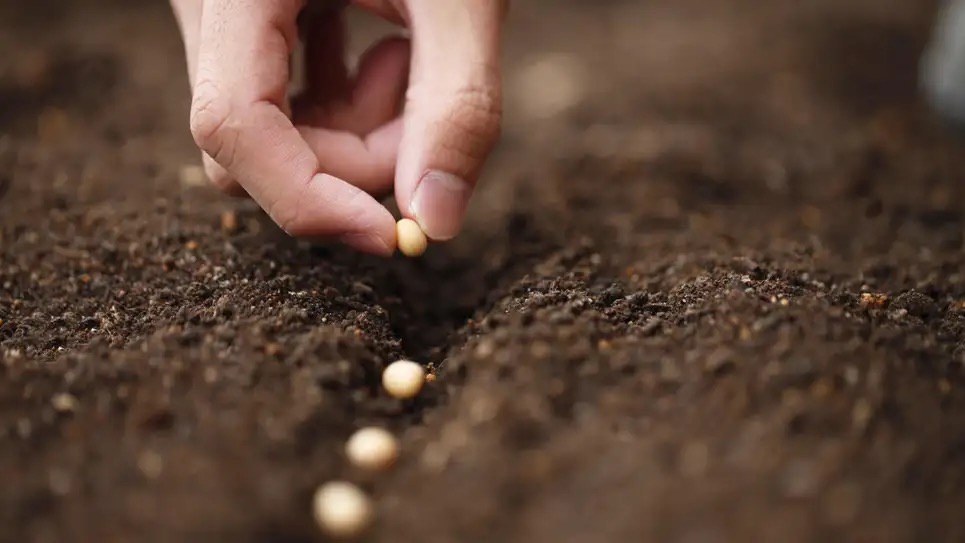
Why Your Seeds Aren’t Sprouting

Why Your Seeds Aren't Sprouting via Lifehacker [Shared]

While our elementary school science classes may have taught us the basics about seeds and how to plant them, if you’ve gotten into gardening as an adult, you’ve probably figured out that there’s plenty more to learn. And unfortunately, growing a plant isn’t necessarily as simple as putting a few seeds in dirt and adding water and sunlight.

For example, even if you seemingly do everything right, your seeds may not sprout. As it turns out, seeds are more fickle than many people realize. Here are some of the reasons why yours aren’t sprouting.

Read Why Your Seeds Aren’t Sprouting

6 Great Plants That Tolerate Both Full-Sun and Shade Conditions via FineGardening [Shared]

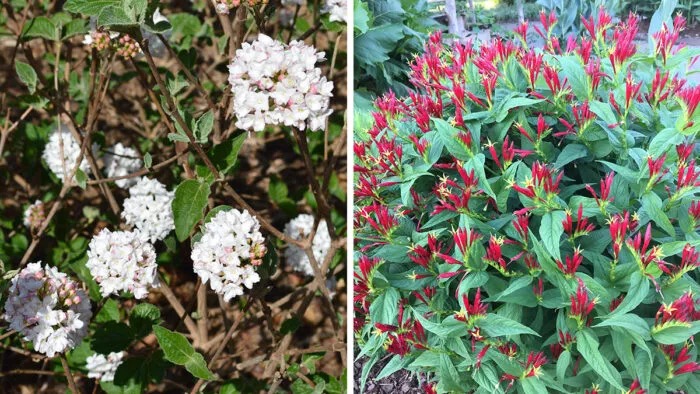
6 Great Plants That Tolerate Both Full-Sun and Shade Conditions – FineGardening

6 Great Plants That Tolerate Both Full-Sun and Shade Conditions via FineGardening [Shared]

When designing a garden, I am often looking for plant material that tolerates both full-sun and shade conditions. Perhaps the garden bed includes a young tree that currently provides very little shade but over time will shade more and more of the garden. In this situation, I want a plant that can tolerate full sun now but will be just as happy once the garden is shaded. Or I may be looking for plants that I can weave throughout a planting to create rhythm and continuity in a garden that straddles different sun exposures. Whatever the reason, finding plants that tolerate both sun and shade is no easy task, especially in the hot Southern Plains.

The obvious choice might be plants labeled as “part sun” or “part shade”; however, many of these plants cannot tolerate our hot afternoon sun. They thrive in morning sun and afternoon shade or filtered light throughout the day. Others struggle with too much shade. After a bit of experimentation and much searching, I’ve created a plant palette that works under varying sun exposures. The following are just a few plants that transition well in these challenging sun-shade scenarios. As you experiment with others, pay attention to heat tolerance. Our sizzling summer sun is often the limiting factor.

Read 6 Great Plants That Tolerate Both Full-Sun and Shade Conditions – FineGardening

Dry gardens explained – 10 expert tips for a lush landscape via Livingetc [Shared]

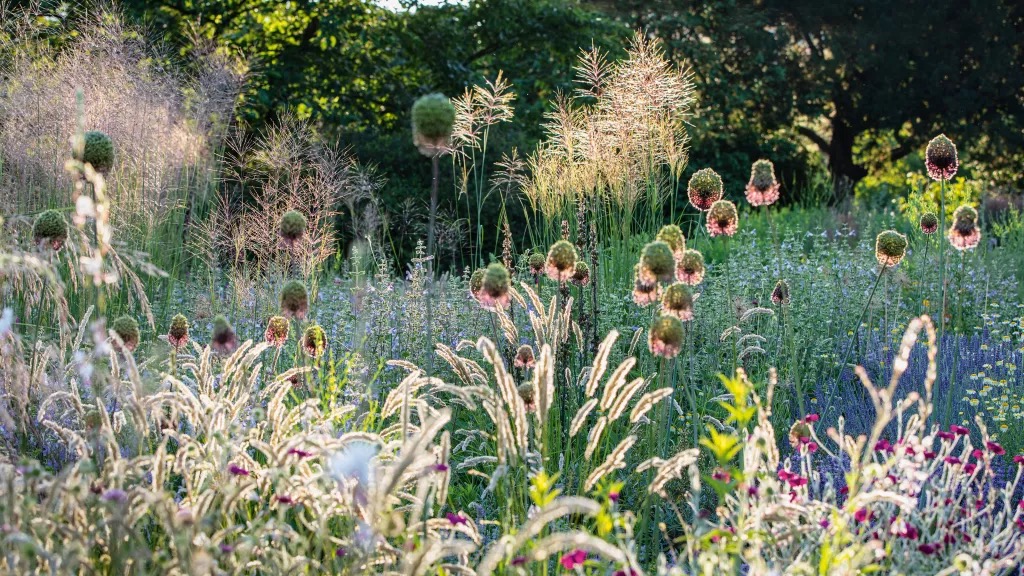
Dry gardens explained – 10 expert tips for a lush landscape | Livingetc

Dry gardens explained - 10 expert tips for a lush landscape via Livingetc [Shared]

Dry gardens get their name from the fact that they’re never watered, relying solely on rainfall. How good does that sound – freedom from watering duties forever. But that’s not their only benefit. Our summers are getting hotter and drier because of climate change. This means it’s a good idea to choose plants that will cope with dry soil and no additional watering if you’re concerned about water consumption.

Although the name doesn’t sound particularly appealing you can still have lush foliage and soft textures if you’re clever about dry garden design. Creating dry gardens is easy to do and it requires less maintenance than regular gardens as you generally leave it to get on with things. It taps into the sustainability trend too, saving water by using drought tolerant plants and mulching with gravel to keep the soil moist.

Read Dry gardens explained – 10 expert tips for a lush landscape | Livingetc

Cattle Panel Trellis: How to Build a DIY Vegetable Garden Arch via Savvy Gardening [Shared]

I keep this article at hand so I have it when I finally get around to doing this in my own garden. I have thought about it for a fair while, but I haven’t yet hit the NEED part of the equation. Perhaps I can build it to grow some loofa? – Douglas

Cattle Panel Trellis: How to Build a DIY Vegetable Garden Arch

Cattle Panel Trellis: How to Build a DIY Vegetable Garden Arch via Savvy Gardening [Shared]

Growing vegetables vertically has many benefits. It allows you to grow more food in a given area and makes harvesting so simple. Vertical gardening increases the air circulation around your plants, making them less susceptible to fungal diseases. It also keeps the plants off the ground, distancing them from soil-dwelling pests. And in many cases, growing vertically is also really beautiful. In this article, I share one of my favorite ways to grow food vertically: by using a cattle panel trellis.

Read Cattle Panel Trellis: How to Build a DIY Vegetable Garden Arch

Best Botanical Gardens in the US via Thrillist [Shared]

Best Botanical Gardens in the US – Thrillist

Read Best Botanical Gardens in the US - Thrillist

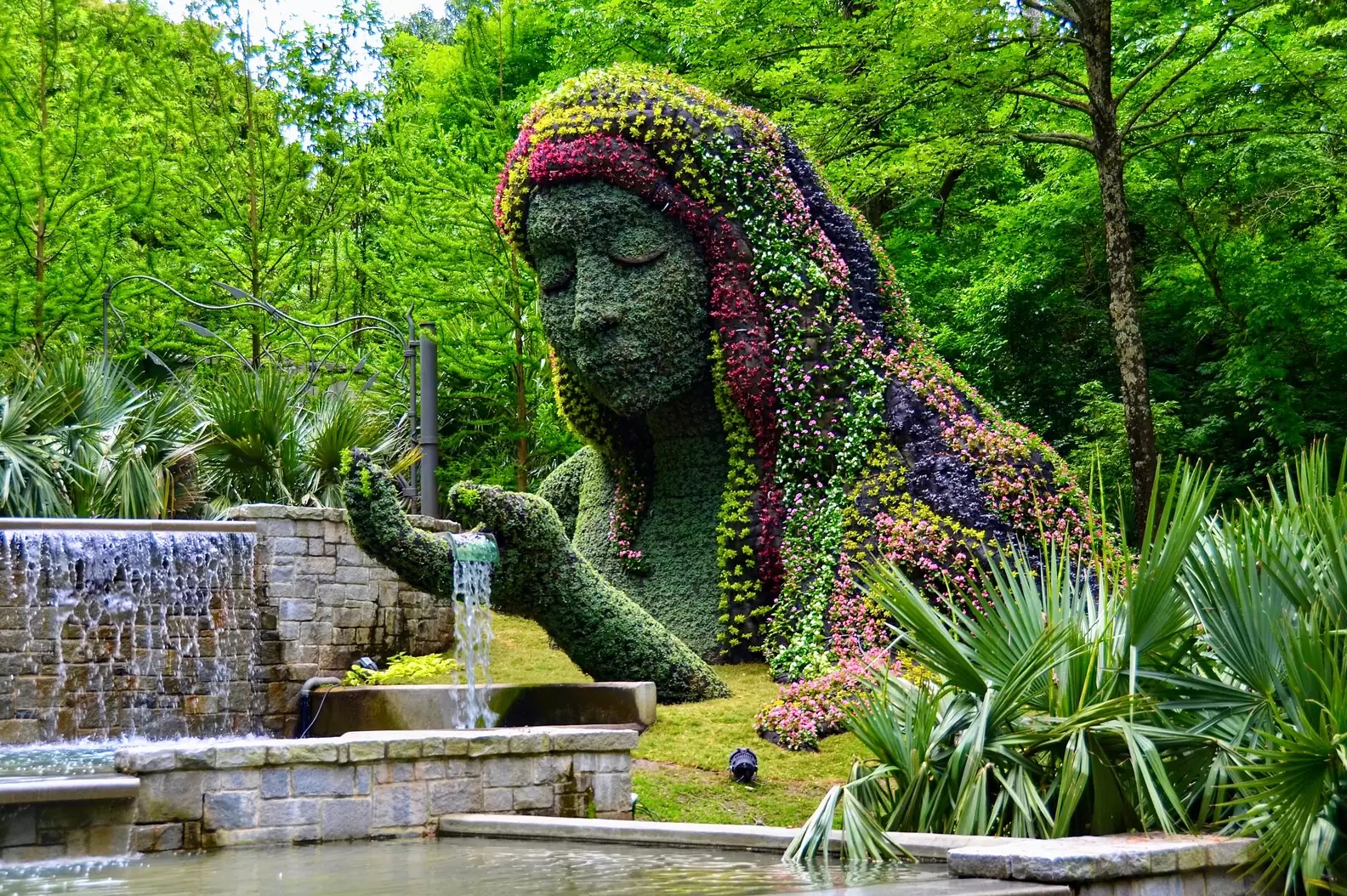
While our country has some awe-inspiring national parks, for the majority of people who dwell in cities, getting there isn’t always easy. Cherry blossom season across the country is beautiful, but not everyone can make it in time to catch the blooms. And, sure, there are a wealth of great city parks built specifically to deliver us from chaos—but should a cloudless, sunny day dare rear its beautiful head, chaos in the form of overzealous picnickers is sure to follow.

For a real oasis, a slice of private forest amid the urban jungle, and time to reconnect with nature after too many days spent staring at screens, find your way to one of America’s best botanical gardens—one or two of which may sit right in your backyard.

Read Best Botanical Gardens in the US – Thrillist