Capture the intricate beauty of the natural world with this exquisite botanical illustration, “The Blue Passion Flower.” Originally published in 1800 by Dr. Thornton, this vintage print features a lush, climbing vine of passion flowers in various stages of bloom.
The artwork highlights the unique, complex anatomy of the blossoms—star-shaped white petals surrounding a dramatic, fringed corona of deep blue and purple. Set against a moody, dark background with detailed green foliage and delicate curling tendrils, this piece brings a touch of classic Enlightenment-era science and timeless elegance to any product. It is a perfect choice for lovers of vintage art, botany enthusiasts, or anyone who appreciates the intersection of science and fine art.
Also available on throw blankets, pillows, tops, tees, iPhone cases, and much more!
*Redbubble has discounts when purchasing multiple items and also gives 10%-20% discounts on a regular basis. Check back often!
How cool is this Iris? I love getting up close to flowers to see all the crazy details you usually miss. This bearded iris has these intense, deep burgundy petals with super intricate white and violet veining.
But the best part is definitely that fuzzy, golden-yellow “beard” right in the center—it almost glows! The soft, blurred background makes the flower really pop. It’s a moody, dramatic, and beautiful piece of nature that’s perfect if you love unique florals that make a statement
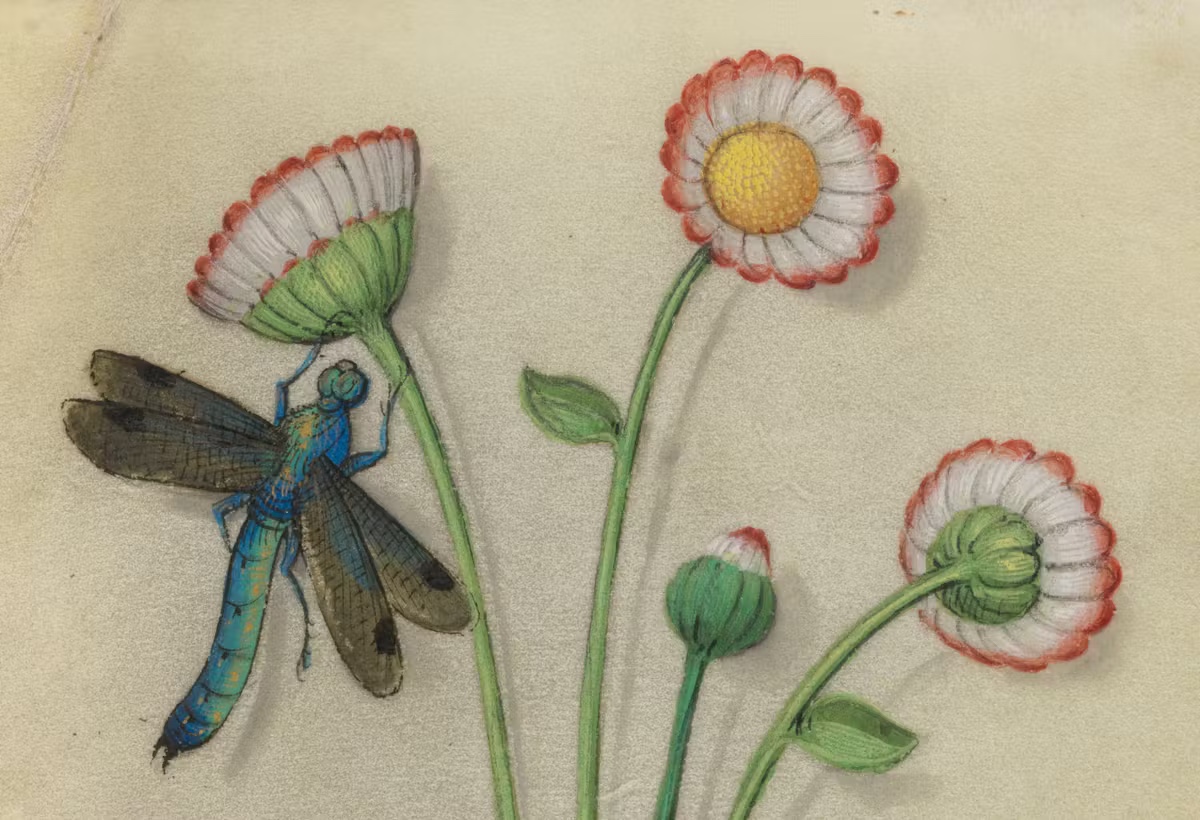
Despite being full of blooms, this book of floral illustrations marks an autumn in aesthetic history: it was composed during “‘the last flowering’ of northern European manuscript illumination in the medieval tradition”, write curators at the MET. Created in the workshop of the Master of Claude de France, one of the most renowned ateliers in Tours during the early sixteenth century, it takes the form of a model book — and indeed several subsequent commissions linked to Queen Claude drew inspiration from this work. Yet its relative lack of wear and tear has led historians like Jörn Günther to wonder if the manuscript was primarily intended by the Master of Claude de France to be a collection of botanical art in its own right. Having trained with Jean Bourdichon and possibly Jean Poyer, the Master’s true identity remains anonymous in art history, but he and his workshop have been credited with books of hours and books of prayers — generally employing extremely small formats, which fit comfortably into the palm of a hand.
IF YOU HAD A PROBLEM in Early Medieval Europe, chances were good that there was a spell for it. “Metrical charms” were sets of magical instructions for addressing dilemmas with spoken words and actions that combined herbal medicine, prayer, and ritual. Many dealt with the challenges of agriculture, with Old English examples having titles like “For Unfruitful Land,” “For Lost Cattle,” and Wiþ Ymbe, meaning “For a Swarm of Bees.”