Tag Archives: shared

What is biophilic design, and why do you need it in your office? via Fast Company [Shared]

What is biophilic design, and why do you need it in your office? via Fast Company

 The image depicts a modern office space with a large, dark wooden table at the center, surrounded by several black office chairs. The room is well-lit with natural light streaming in through a large window with a grid pattern, revealing lush greenery outside. The walls are painted white, and the floor is a light gray concrete. Several potted plants are placed around the room, adding a touch of greenery and life. The table is cluttered with office supplies, including a laptop, books, and papers. The image is framed with a decorative border featuring stylized leaves in pastel colors, including shades of green, blue, and pink.</p></p>

<p><p>Provided by @altbot, generated privately and locally using Ovis2-8B

The field of biophilic design aims to create spaces that optimize productivity and well-being. In the roughly 300,000 years humans have been on Earth, offices have only really been around the past few hundred years. Biophilic architecture is based on the concept that humans evolved in natural environments, and because of this, we feel the best when these factors are mimicked. Incorporation or mimicry of the natural world into our built spaces can greatly improve peoples’ health, happiness, and productivity.

Read this entire article – What is biophilic design, and why do you need it in your office? via Fast Company

Master of Claude de France’s Book of Flower Studies (ca. 1510–1515) via The Public Domain Review [Shared]

Master of Claude de France’s Book of Flower Studies (ca. 1510–1515) via The Public Domain Review

 The image features a detailed illustration of a blue dragonfly perched on a green stem of a flower. The dragonfly has a long, slender body with a blue and green coloration, and its wings are transparent with a delicate pattern. The flower has white petals with a red edge and a yellow center, resembling a daisy. There are three flowers in total, with one fully bloomed, one partially bloomed, and one in bud form. The background is a plain, off-white color, which contrasts with the vibrant colors of the dragonfly and flowers. The illustration is done in a style that suggests it could be from a natural history book or a botanical illustration, with careful attention to the details of the insects and plants.

Despite being full of blooms, this book of floral illustrations marks an autumn in aesthetic history: it was composed during “‘the last flowering’ of northern European manuscript illumination in the medieval tradition”, write curators at the MET. Created in the workshop of the Master of Claude de France, one of the most renowned ateliers in Tours during the early sixteenth century, it takes the form of a model book — and indeed several subsequent commissions linked to Queen Claude drew inspiration from this work. Yet its relative lack of wear and tear has led historians like Jörn Günther to wonder if the manuscript was primarily intended by the Master of Claude de France to be a collection of botanical art in its own right. Having trained with Jean Bourdichon and possibly Jean Poyer, the Master’s true identity remains anonymous in art history, but he and his workshop have been credited with books of hours and books of prayers — generally employing extremely small formats, which fit comfortably into the palm of a hand.

View this entire manuscript

The Magic Spells That Herded Medieval Bees via Gastro Obscura [Shared]

The Magic Spells That Herded Medieval Bees via Gastro Obscura

The image depicts a medieval manuscript illustration, featuring a detailed scene of bees and a beehive. The illustration is framed by a gold border with a decorative pattern. On the left side, a cluster of green plants with small flowers is shown, with several bees depicted in various positions, some hovering and others landing on the flowers. The bees are illustrated with brown bodies and blue wings, adding a sense of movement to the scene. On the right side, a green beehive with a conical shape is depicted, with bees flying around it, suggesting activity and interaction. The background is a plain, off-white color, typical of medieval manuscripts. The text above the illustration is in Latin, written in a Gothic script, with the first letter of the text block highlighted in blue. The overall composition is balanced, with the plants and bees on the left and the beehive on the right, creating a harmonious and naturalistic scene.

IF YOU HAD A PROBLEM in Early Medieval Europe, chances were good that there was a spell for it. “Metrical charms” were sets of magical instructions for addressing dilemmas with spoken words and actions that combined herbal medicine, prayer, and ritual. Many dealt with the challenges of agriculture, with Old English examples having titles like “For Unfruitful Land,” “For Lost Cattle,” and Wiþ Ymbe, meaning “For a Swarm of Bees.”

Read this entire article – The Magic Spells That Herded Medieval Bees via Gastro Obscura

Explore Hundreds of Exquisite Botanical Collages Created by an 18th-Century Septuagenarian Artist via Colossal [Shared]

Explore Hundreds of Exquisite Botanical Collages Created by an 18th-Century Septuagenarian Artist via Colossal

The image depicts a botanical illustration of a flowering plant with a dark background. The plant is identified as Panaverium Marilinum, commonly known as the Sea Daffodil. The illustration features a cluster of white, elongated petals with a delicate, curving structure, resembling a spiders web. The petals are arranged in a spiral pattern, with some extending outward and others curling inward. The stamens, visible at the tips of the petals, are yellow with pinkish-red anthers. The plant has broad, green leaves with a slightly glossy texture, positioned at the base of the flower. The illustration is detailed, with shading and highlights that give depth to the petals and leaves. The name of the plant is written in cursive script at the bottom right corner, with the scientific name above it. The overall composition is centered, with the plant occupying the majority of the space, creating a striking visual impact against the black background.</p></p>

<p><p>Provided by @altbot, generated privately and locally using Ovis2-8B

At age 72, Mary Delany (1700-1788) devoted herself to her art practice, taking up a form of decoupage to create an exquisite collection of botanical collages from dyed and cut paper. She interpreted many of the delicate specimens she encountered in Buckinghamshire while staying with her friend, the Duchess of Portland, through layered pieces on black backdrops. From the wispy clover-like leaves of an oxalis plant to the wildly splayed petals of the daffodil, the realistic works are both stunning for their beauty and faithfulness to the original lifeforms.

Read and View This Entire Article – Explore Hundreds of Exquisite Botanical Collages Created by an 18th-Century Septuagenarian Artist via Colossal 

Make a bouquet with ginkgo leaves Via Flower Supplies on Instagram [Shared]

Make a bouquet with ginkgo leaves Via Flower Supplies on Instagram 

Make a bouquet with ginkgo leaves Via Flower Supplies on Instagram [Shared]


View this post on Instagram


A post shared by FloralSupplies.com (@floralsuppliesofficial)

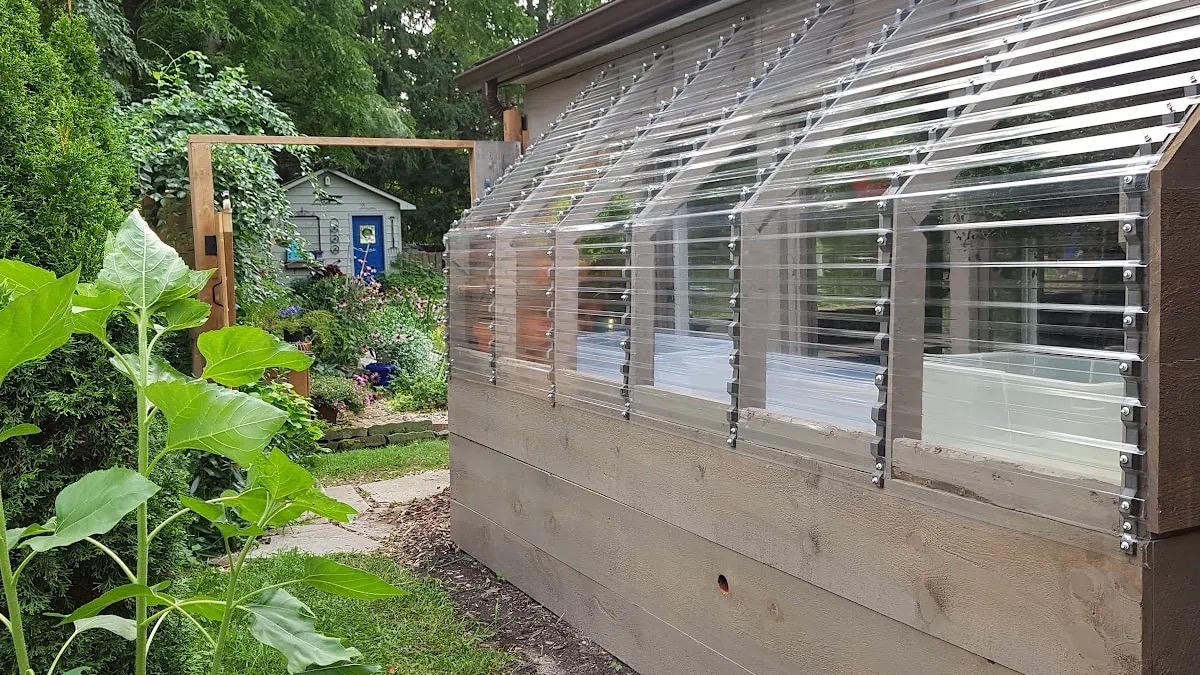
How to Build a Lean-to Greenhouse (Step by Step) via Empress of Dirt [Shared]

How to Build a Lean-to Greenhouse (Step by Step) | Empress of Dirt

How to Build a Lean-to Greenhouse (Step by Step) via Empress of Dirt [Shared]

Lean-to greenhouses are a low-cost alternative to traditional greenhouses. Built next to an existing structure, you save on materials while creating a place to propagate and grow plants.

Read How to Build a Lean-to Greenhouse (Step by Step) | Empress of Dirt

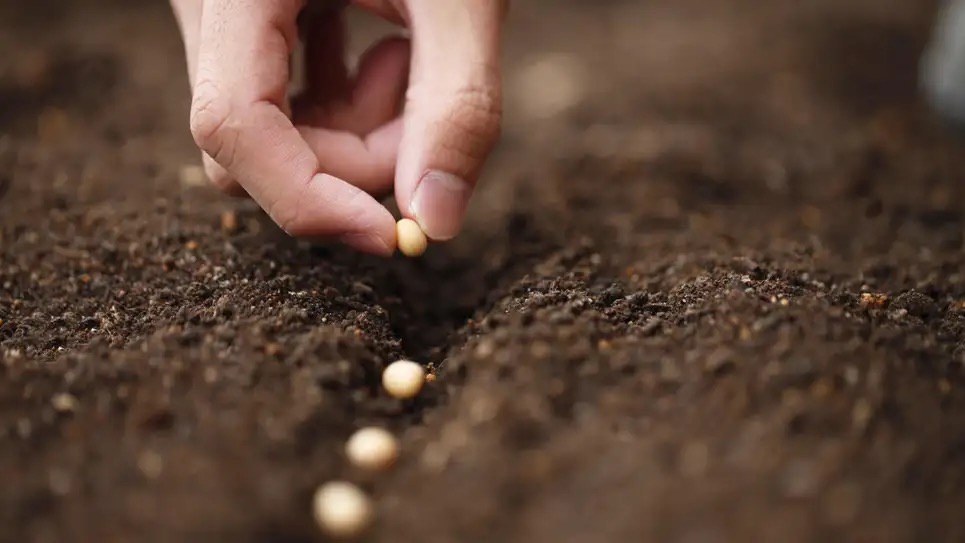
How to save your lettuce seed via Grow with Joe on Instagram [Shared]


View this post on Instagram


A post shared by Grow With Joe (@grow_with_joe)

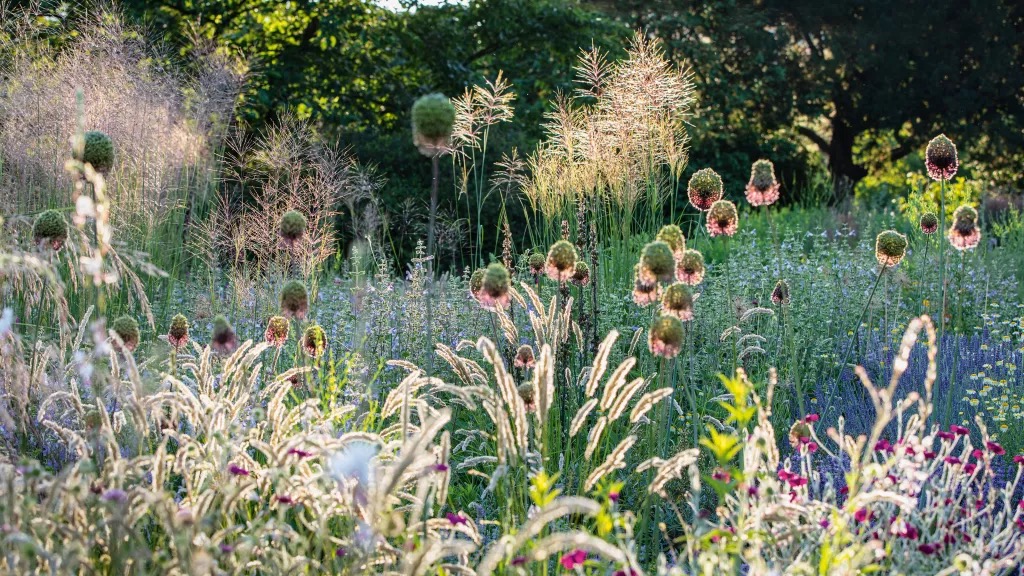
15 Garden Plants That Will Survive Summers That Are Getting Hotter And Hotter via House Digest [Shared]

15 Garden Plants That Will Survive Summers That Are Getting Hotter And Hotter

15 Garden Plants That Will Survive Summers That Are Getting Hotter And Hotter via Houe Digest [Shared]

Is it just us, or does it seem to be getting hotter and hotter out there? Our yards desperately need heat-tolerant beauties to brighten our spirits and help us get through yet another hot day toiling in the garden. The good news is that there are many flowering garden plants that adore six or more hours of direct sun exposure every day, and they can even stand up to oppressive mid-summer temperatures without wilting or giving up, per Proven Winners.

Read 15 Garden Plants That Will Survive Summers That Are Getting Hotter And Hotter

How to Build a Raised Garden Bed With Legs via HappySprout [Shared]

How to Build a Raised Garden Bed With Legs | HappySprout

How to Build a Raised Garden Bed With Legs via HappySprout [Shared]

Raised garden beds offer a host of benefits. They’re easier on your knees and back, for sure, but they can also be helpful for your plants. Raised garden beds can offer some protection from pests, give you more control over drainage, and conserve space.

Read How to Build a Raised Garden Bed With Legs | HappySprout

Diarmuid Gavin’s top tips: How to do rewild your garden in six easy steps via MAGE ie [Shared]

Diarmuid Gavin’s top tips: How to rewild your garden in six easy steps | IMAGE.ie

Diarmuid Gavin’s top tips: How to do rewild your garden in six easy steps via MAGE ie [Shared]

With a keen eye for design and a passion for all things gardening, Diarmuid Gavin is the man to go to when it comes to asking for rewilding advice.
A progressive approach to conservation, rewilding has surged in popularity in recent years with more and more people looking to let nature run its course. At its core, the concept is all about letting mother earth take care of herself, enabling natural processes to shape land and sea, repair damaged ecosystems and restore degraded landscapes.

Read Diarmuid Gavin’s top tips: How to rewild your garden in six easy steps | IMAGE.ie