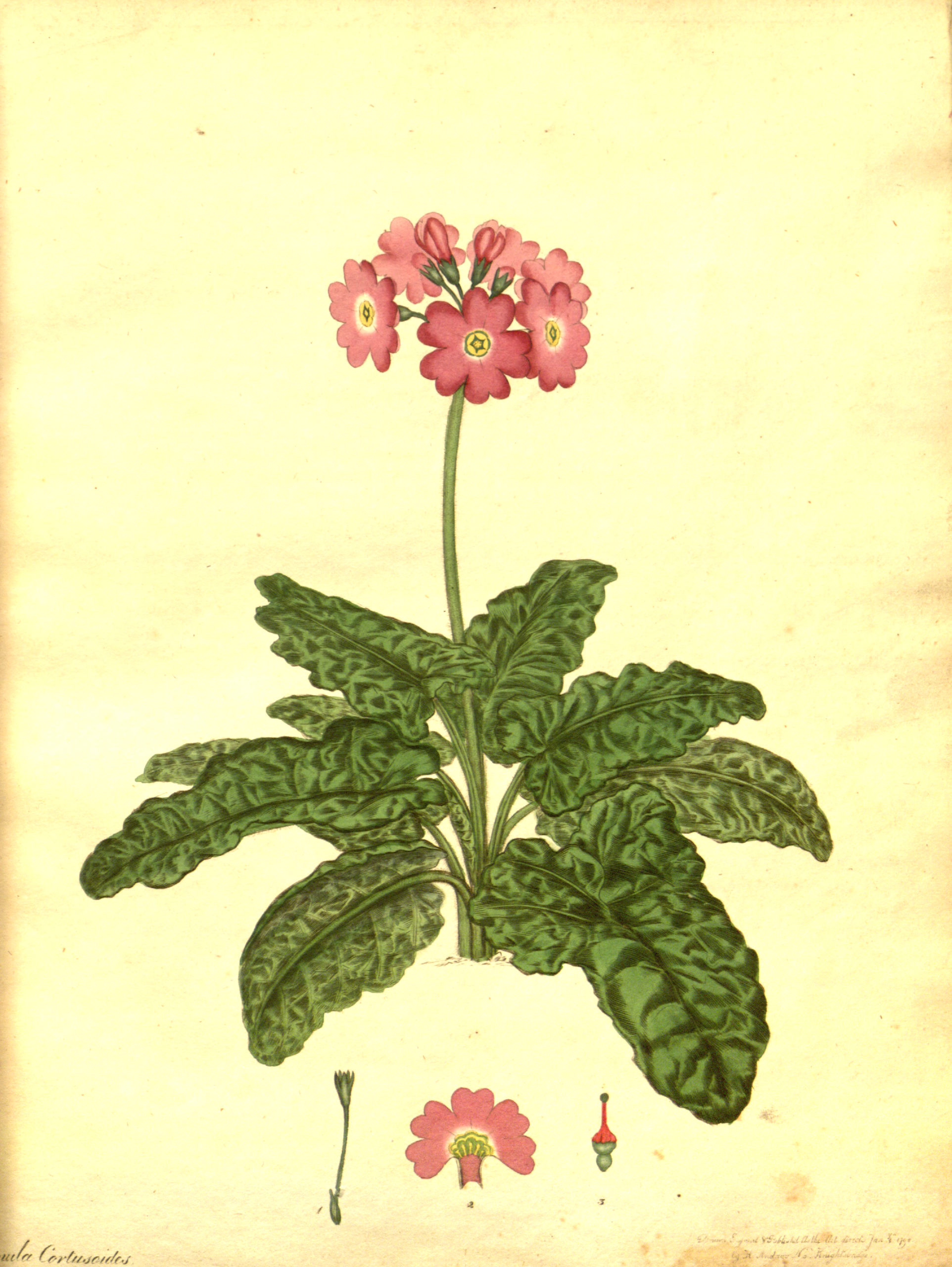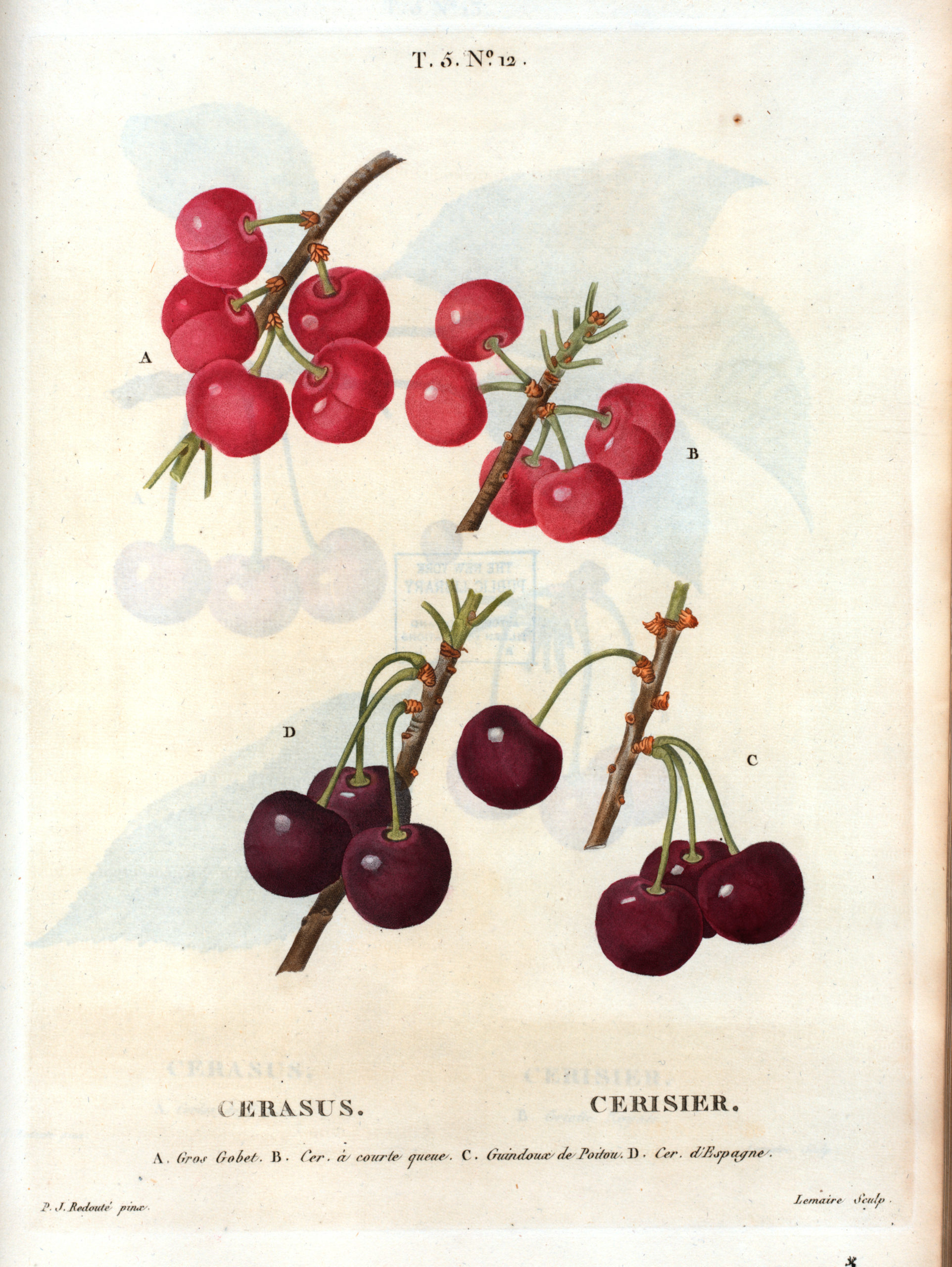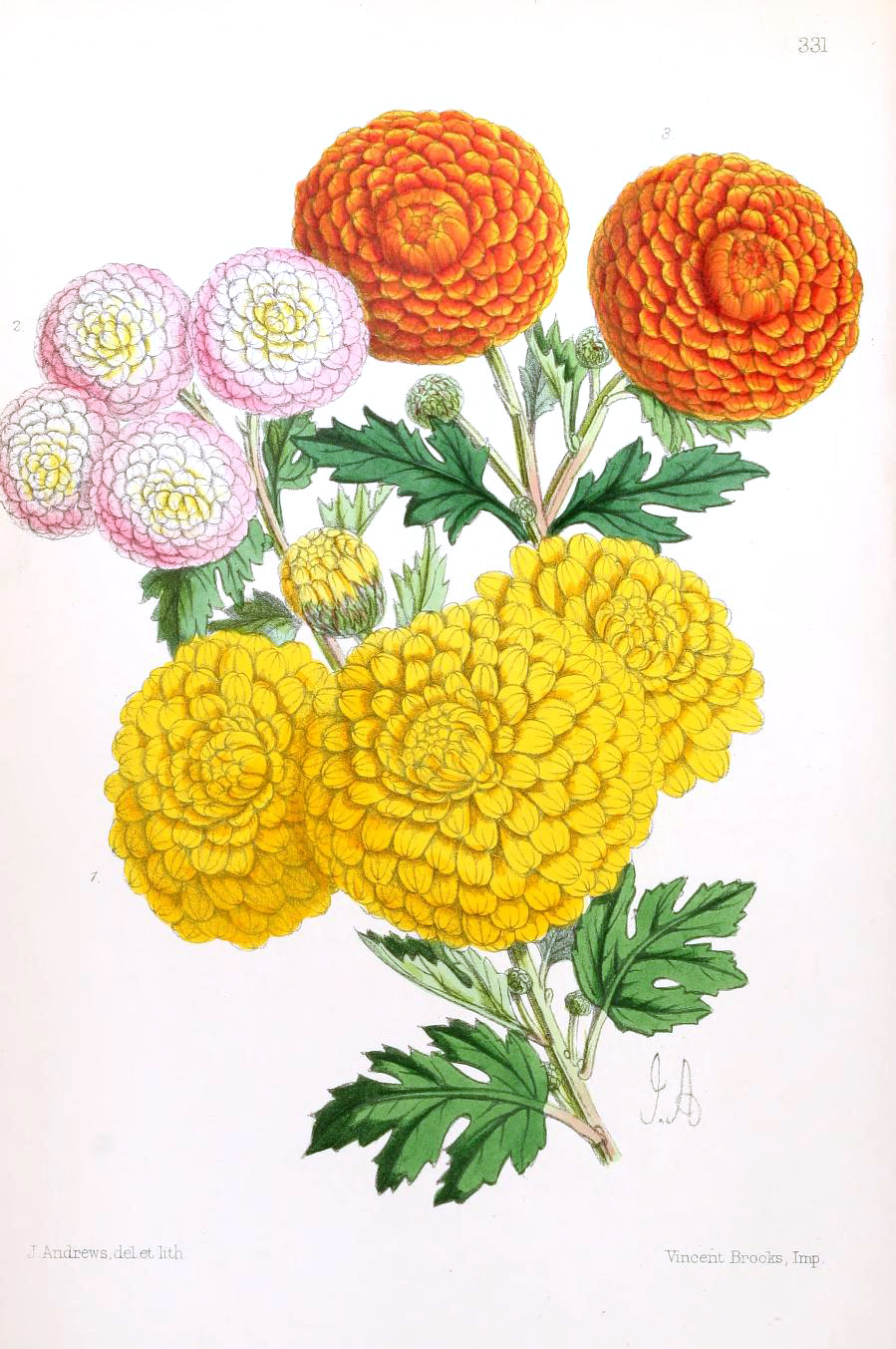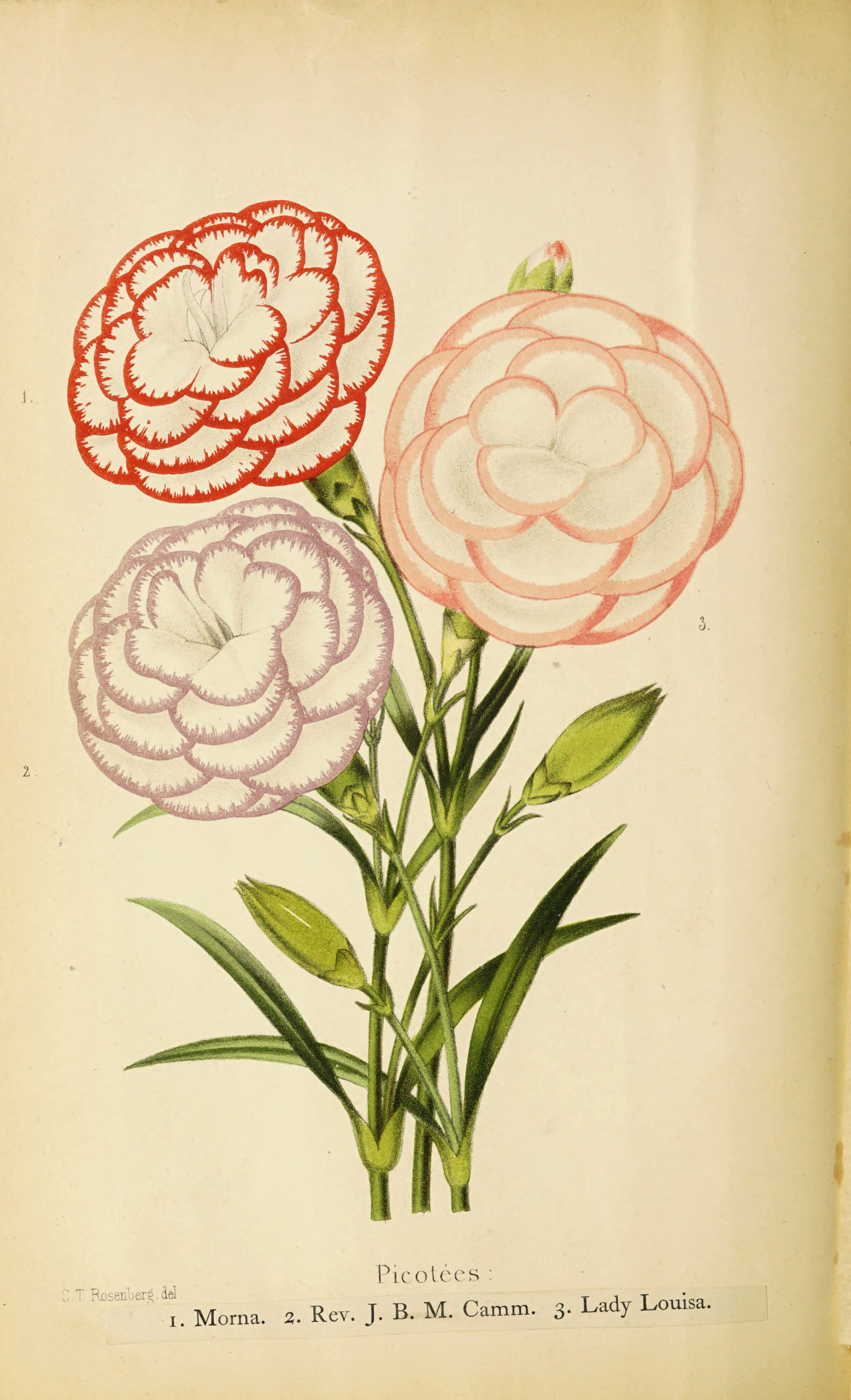
Vintage Botanical Prints – 72 in a series – New Picotees from The florist and pomologist (1879)
Podcast: Play in new window | Download
Subscribe: RSS
Vintage Botanical Prints – 72 in a series – New Picotees from The florist and pomologist (1879)
Podcast: Play in new window | Download
Subscribe: RSS
D. divaricatum ; caule divaricatissime ramoso, pubescenti ; foliis multipartitis, laciniis linearibus acutis ; floribus pedicellis brevioribus ; petalis integerrimis ; folliculis sericeis. Descr.—Stem very much branched and exceedingly divaricated, somewhat pubescent ;leaves with many divisions divided down to the petiole, divisions linear acute ; flowers shorter than the pedicels ; petals very entire ; follicles covered with silky hairs. Delphinium divaricatum. — Ledebour. T his beautiful annual is a native of Caucasus, on the grassy banks of the River Gandscha, where it was collected in 1834 by Mr. T. F. Hohenacker, Botanical Traveller for the Unio Itineraria. When arrived at a state of maturity, it forms a complete pyramid, upwards of five feet high, its widely spreading lower branches occupying a space of more than two feet in diameter. It will readily be conceived, therefore, that, covered with flowers from the base to the apex, it makes a most attractive appearance; and being perfectly hardy, is highly deserving of cultivation.
Our drawing was made from a plant raised from seeds sent to the Birmingham Botanical and Horticultural Society ; it flowered last summer, and is the only living plant we have at present seen. We have compared it with specimens which we received from the Unio Itineraria, and find them to agree in every particular. It appears to be nearly allied to Delphinium consolida, if we examine the character given by De Candolle in his Prodromus, or that given by the late Sir James Edward Smith in his English Flora ; but, on comparison, there can be no doubt of their being perfectly distinct. From D. consolida it differs in being very much more branched ; in its branches being more slender ; in having flowers shorter than the pedicels, with the petals very entire at the margin, not crenate, as the petals of Consolida are represented in English Botany ; and also in the colour of the flower, which approaches the purple of puniceum rather than the usual colour of the genus.
Of the other annual species of Delphinium, two are to be found in almost every garden; D. Ajacis, or rocket; and D. consolida, or field larkspur. Of the first there are many beautiful double varieties of all colours ; the merits of which are estimated by florists according as they are more or less dwarf in their mode of growth ; and produce flowers more or less double. All tall-growing, as well as single-flowered plants are generally weeded out, in order to insure genuine seeds. The tall, branching larkspurs are also of various colours, some of which produce double flowers, but have not obtained so much notice from florists. Both should be sown where they are to remain ; a portion in August for early, and a portion in March for late flowering : covered with not more than half an inch of soil. Plants of the dwarf rocket should be four inches apart ; the branching varieties should be distant from nine inches to one foot. A rich soil grows them in the greatest perfection. Can a reason be assigned why so many plants in Ranunculacem produce double flowers ?
The natural order Ranunculacece consists of herbs (very rarely shrubs) with alternate or opposite, much divided leaves ; the petiole of which is dilated at the base, and forms a kind of sheath, which half embraces the stem. For the essential botanical characters by which they are distinguished, we beg to refer our readers to Lindley’s Natural System of Botany. As regards the geographical distribution of the order, the largest proportion of them is met with in Europe ; some are found in North America, some in South America, and some in Asia. Very few are found in Africa, except on the shores of the Mediterranean. In New Holland, according to De Candolle, 18 species have been discovered.
The genus Delphinium is divided by De Candolle into four sections ; the first of which contains such species as have but one ovarium or seed-vessel, and four petals united in one, as in our present plant. They are about twelve in number, and are all annuals.
Fig 1, 4 petals united ; 2, the capsule, which (as in all the species of De CandohVs section consolida) is single.
Podcast: Play in new window | Download
Subscribe: RSS
CYPRIPEDIUMS
No genus or race of Orchids that has been brought under cultivation has yielded so readily, and we may add, so strikingly, to its influence as Cypripedium. This is not only apparent in the results of hybridization, but also in the species themselves, especially in those that have been longest under the cultivator’s care. The most obvious effects of cultural influence have been the development of more robust foliage of a brighter colour; the normally one-flowered scape occasionally becomes two-flowered; the flowers are often larger and modified in colour (Veitch). Generally they are easily culti¬ vated, they flower freely and may readily be induced to mature seeds from which plants can be raised. The species, with few exceptions, readily intercross, and consequently an enormous number of hybrids have been raised artificially. Two of the three represented in the plate are true species, the third, EVENOR, is a garden hybrid. Recently the genus has been divided by botanists into four, viz.:—Cypripedium, Phragmo- pedilum, Paphiopedilum, and Selenipedium.


Podcast: Play in new window | Download
Subscribe: RSS
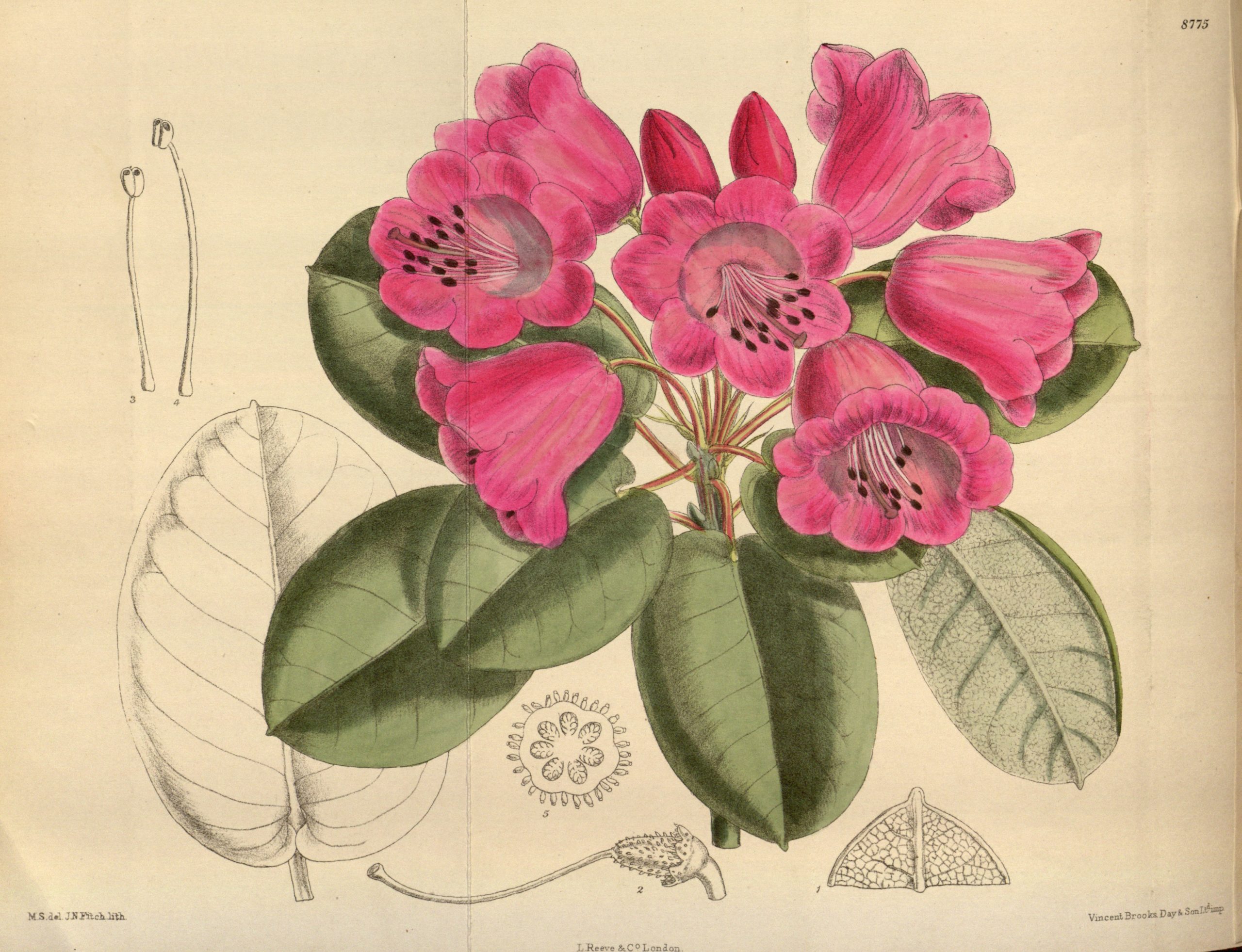
The very distinct Rhododendron now figured is a native of Western Szechuan, where it occurs at altitudes ot 9,000-10,000 feet above sea level. It was first collected near Moupine, in 1869, by the Abbe David who, noting it as remarkable for its rounded leaves, used tor it the name /?. rotundifolium published, but without a lull description, in 1873.
Podcast: Play in new window | Download
Subscribe: RSS
This interesting class of plants is becoming more than ever popular and useful, for many of the varieties obtained now bloom so late, that the period of blooming; is greatly prolonged, and hence their value as decorative plants greatly increased. We have again had recourse to the extensive collection of Mr. John Salter, of the Versailles Nursery, Hammersmith, for the subjects of our present Plate.
Podcast: Play in new window | Download
Subscribe: RSS
Key characteristics
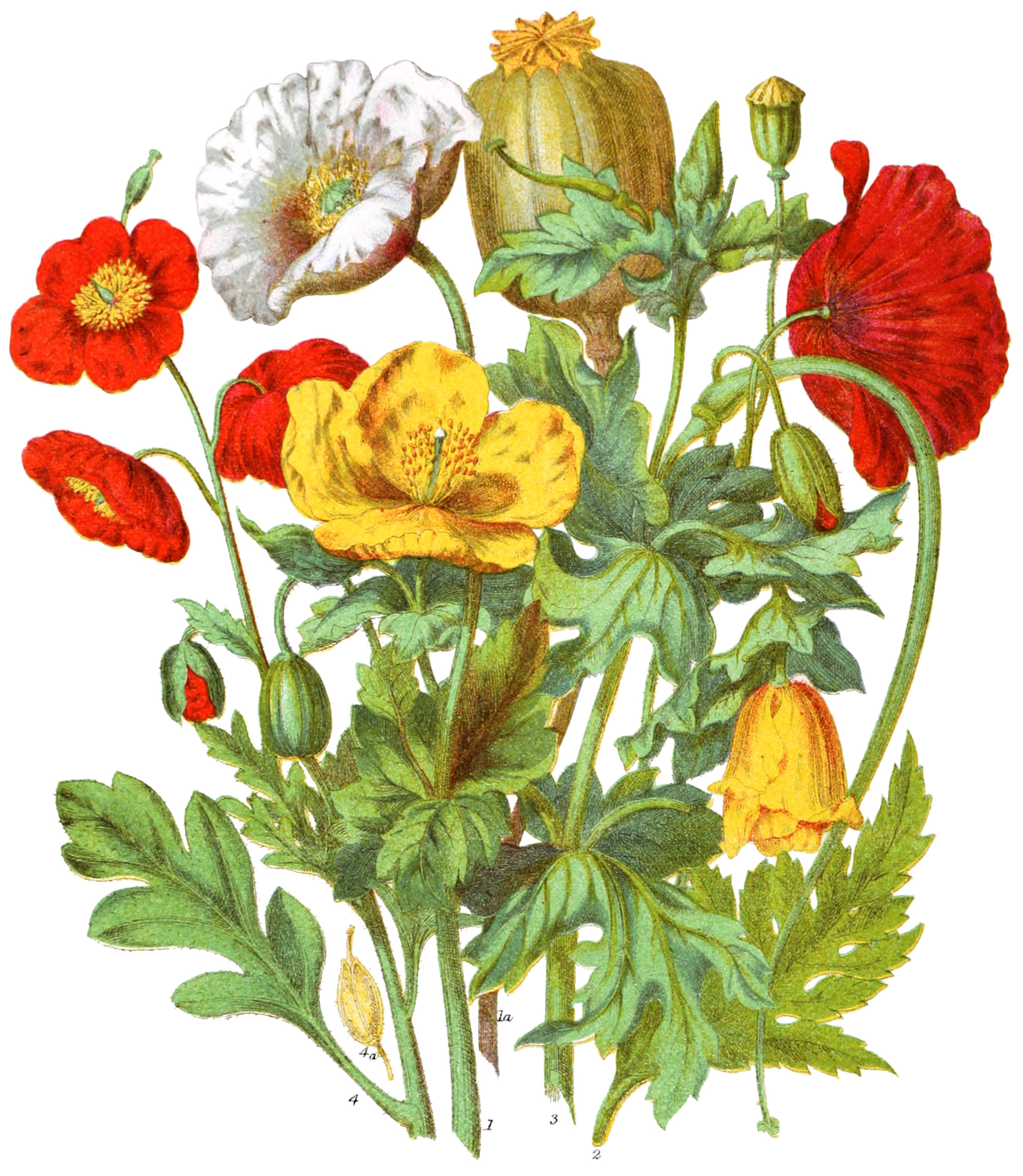
Herbaceous plants and shrubs; leaves alternate on the stem, either simple or divided; without stipules at the base of the leaf-stalk. The flower-stalks are generally long, bearing flowers singly; the calyx is composed of only two or three sepals, which fall off when the flower expands; the petals are usually four, sometimes six,—in Bocconia they are wanting. In the bud state the petals are usually crumpled. Stamens numerous, attached to the base of the pistil, the style of which is short; stigmas, either two or many, forming a rayed star on the top of the ovary. The seed-vessel is either a capsule as in the Poppy, or long and pod-shaped as in Glaucium, the Horn Poppy, containing numerous seeds of a fleshy, oily nature.


Podcast: Play in new window | Download
Subscribe: RSS
Not a vintage piece of the art, but rather something in a vintage style. I happened across it while searching the Smithsonian sites and thought it would make an appropriate addition here. — Douglas
A botanical alphabet blooms on this colorful cross-stitch sampler bordered in green. As early as the fifteenth century, needlework samplers served as ways to teach and practice sewing, an important domestic skill. They often doubled as academic instruction, like this alphabet sampler made by artist Ira Blount (1918-2020). Each letter features a flower that starts with that letter. For example, an iris stitched in purple, light blue, and gold stands next to a purple letter “I”. At the top, an alphabetical list identifies each flower by name in matching thread colors. Though this sampler does not conform to utilitarian purposes of the past, the intricate stitching demonstrates Blount’s command of a traditional sewing technique.